

Newsletter
Keep yourself update with our current news for Juwai IQI

Where to Invest in Asia 2026: Five Property Markets to Watch Next
Asia’s Property Investment Map Is ChangingInternational property investors have traditionally focused on established markets in Europe and the Middle East, but Asia is increasingly moving onto the radar.Across the region, economic growth, infrastructure expansion, tourism and the development of new business hubs are creating fresh property opportunities.In Indonesia, Bali remains a major lifestyle market, while infrastructure investment, the development of Nusantara and new International Financial Centres are broadening the country’s investment story.Vietnam continues to strengthen its position as a manufacturing hub, supported by highways, metro systems and the new Long Thanh International Airport. This is creating potential opportunities beyond Ho Chi Minh City and Hanoi, particularly in areas benefiting from infrastructure and industrial growth. Where Else Should Investors Look?Thailand remains one of Southeast Asia’s most established international property markets. Phuket and Koh Samui are attracting second-home and lifestyle buyers, while Bangkok continues to offer scale and a mature luxury property segment.In Malaysia, Johor stands out. The Johor-Singapore Special Economic Zone and Forest City’s designation as a Special Financial Zone could support future business activity, employment and housing demand.The Philippines also presents selective opportunities. While parts of Metro Manila face significant condominium supply, regional markets such as Cebu and Clark may offer stronger potential where infrastructure, tourism, business activity and population growth align.OutlookThere is no single best market across Asia.The stronger opportunities are likely to be found by following infrastructure, business expansion, tourism and population growth, rather than simply investing at a country level.For investors, the key is selectivity. Indonesia, Vietnam, Thailand, Malaysia and the Philippines each offer different strengths, but the most compelling opportunities will depend on choosing the right location within each market and understanding what is driving future demand.The contents of this article were contributed by Taco Heidinga, Global Real Estate Strategist, Juwai IQI; Country Head, IQI Bali & Lombok; Founder, Homes in Asia.Download to see insights from other country marketsDownload
4 September
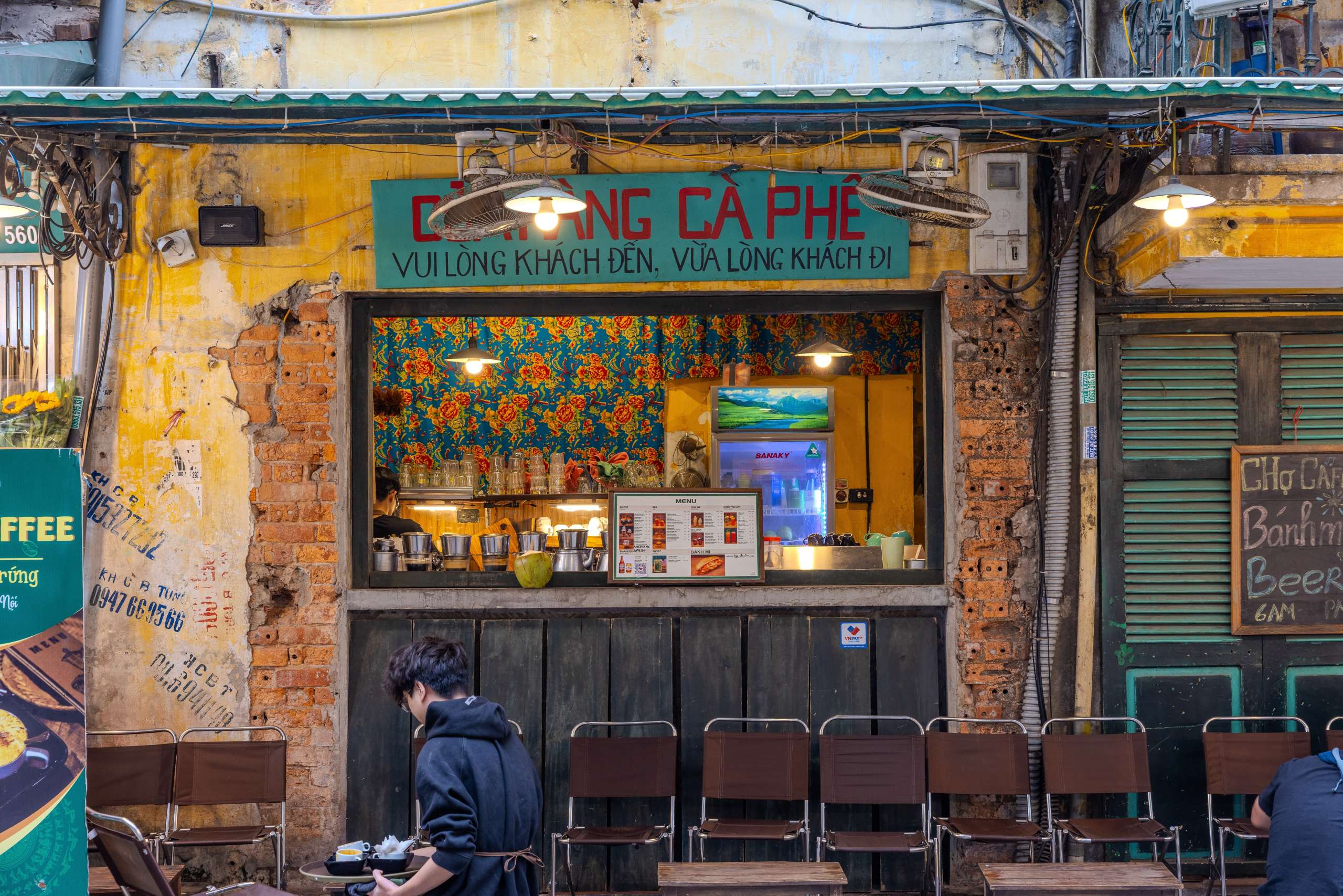
Vietnam Property Market 2026: Hanoi Resale Pressure Creates New Buyer Opportunities
Hanoi Apartment Market Faces Resale PressureHanoi’s apartment market is entering a more cautious phase as resale pressure increases among investors who bought off-plan or during construction with short-term flipping strategies.After several years of strong price growth, market conditions have cooled. Capital gains are no longer guaranteed, while the end of mortgage grace periods is exposing some investors to higher floating interest rates and heavier repayment obligations.This is encouraging more owners to sell, with liquidity and debt reduction becoming a greater priority than maximising returns.According to market data cited in the report, asking prices at several Hanoi projects have already corrected from their previous peaks. Imperia Sola Park fell around 12.6%, Lumi Hanoi declined approximately 9.5%, while Kepler Land recorded an 8.6% correction. Market Shifts From Speculation to LiquidityThe change marks an important shift in Vietnam’s residential market.Some leveraged investors are no longer holding properties in expectation of further short-term appreciation. Instead, they are looking to exit quickly, reduce debt exposure and, in some cases, accept losses.For genuine homebuyers and investors with stronger cash positions, this may create improved negotiating conditions in Hanoi’s secondary apartment market.Rather than competing in a rapidly rising market, buyers may now have greater scope to negotiate on properties where sellers are under financing pressure.OutlookHanoi’s apartment market is likely to remain more selective and liquidity-driven in the near term.Resale pressure could continue to create opportunities for buyers who have sufficient cash and are willing to negotiate carefully.The key advantage is shifting towards financially prepared buyers, particularly those able to identify motivated sellers and acquire quality secondary-market units at prices below previous market peaks.The contents of this article were contributed by Dustin Trung Nguyen, Head of IQI Vietnam.Download to see insights from other country marketsDownload
4 September

Thailand Property Market 2026: Rama IX and Bang Na Lead Housing Demand
Rama IX Leads Condominium InterestDespite a broader property market slowdown, housing demand in Bangkok remains active, with buyers and renters continuing to search online for well-connected and affordable locations.Rama IX emerged as the most discussed condominium location, accounting for 42% of online mentions. Its appeal is driven by convenient travel, access to rail services, proximity to workplaces and prices viewed as more accessible than those in central Bangkok.Sukhumvit ranked second with 24% of condominium interest, supported by strong transport links, urban rail access and comprehensive amenities. One-bedroom units were particularly popular.Other locations drawing attention included Don Mueang at 14%, Ekkamai at 11% and Vibhavadi Rangsit at 9%. In Don Mueang and Vibhavadi Rangsit, buyers showed notable interest in one-bedroom units priced at no more than THB2 million. Bang Na Dominates Landed Housing DemandFor detached houses and townhouses, Bang Na clearly led the market conversation with a 75% share.Buyers were attracted by transport convenience, surrounding amenities and the area’s residential environment. The next most discussed locations were Rama II at 9%, Rama IX and Thonglor at 6% each, and Phatthanakan at 4%.The results suggest that buyers continue to prioritise connectivity, affordability and everyday convenience when choosing where to live.OutlookBangkok’s residential demand is likely to remain highly location-specific, with well-connected areas offering better value continuing to attract attention.For condominiums, Rama IX stands out as a key affordability and connectivity play, while Bang Na remains the strongest landed housing choice among online buyers and renters.The market may be softer overall, but demand remains visible where transport access, amenities and pricing align with buyer needs.The contents of this article were contributed by Somsak Chutisilp, Head of IQI Thailand.Download to see insights from other country marketsDownload
4 September
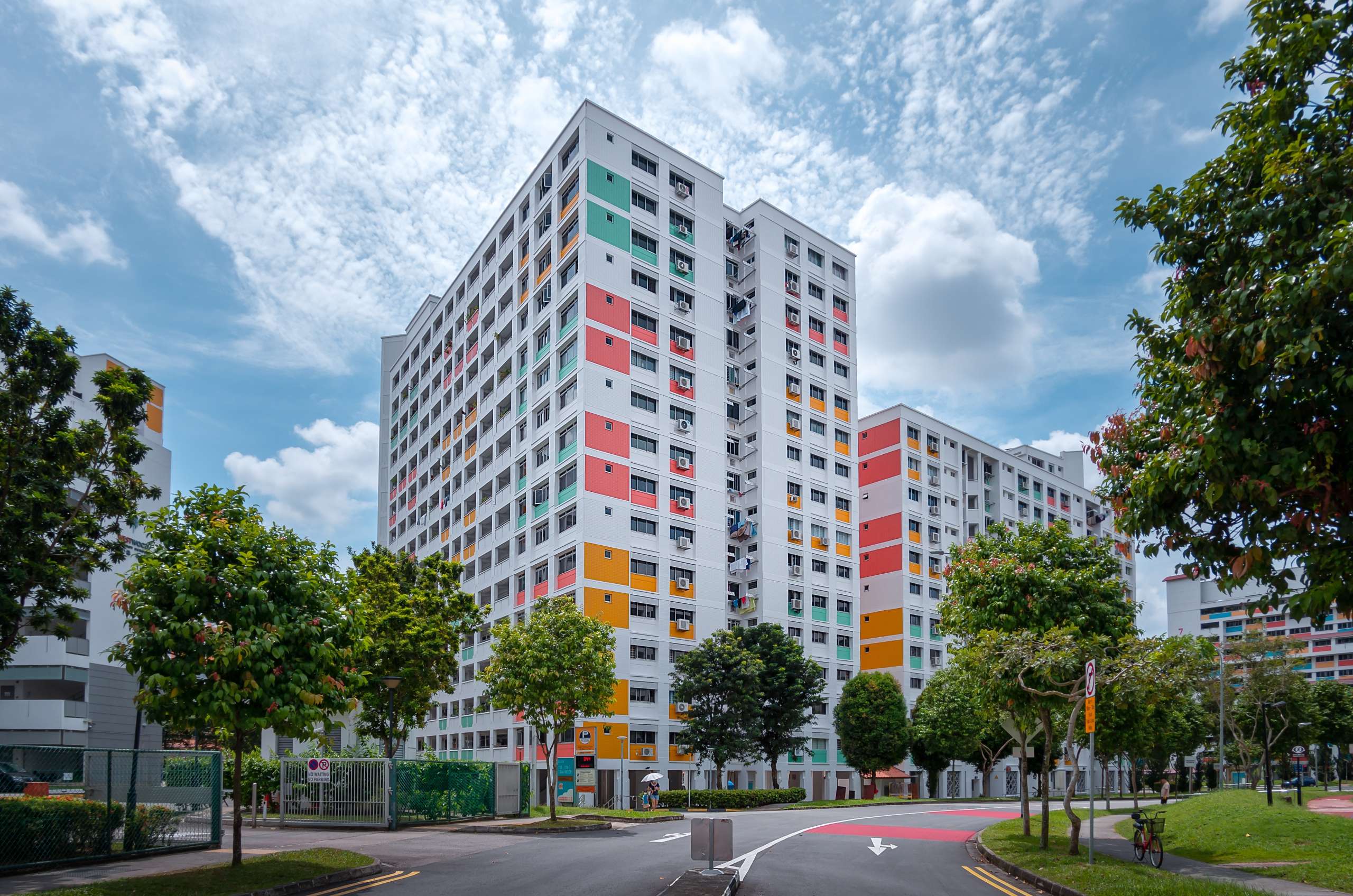
Singapore Property Market 2026: New Home Sales Pause Before July Rebound
June Sales Slow on Seasonal LullSingapore’s new private home market cooled significantly in June 2026, largely due to the mid-year school holidays and the absence of new project launches.According to URA data, developers sold just 156 new private homes in June, down 65.1% month-on-month from 447 units in May and 42.6% year-on-year from 272 units in June 2025.Despite the weak monthly result, overall momentum remained relatively healthy. Q2 2026 recorded 2,151 new private home sales, exceeding the 2,013 units sold in the first quarter.With no new projects launched during June, sales were driven by existing developments such as Hudson Place Residences, Union Square Residences, The Continuum and Chuan Park. The Rest of Central Region accounted for 53.8% of June sales, followed by the Outside Central Region at 36.5%. Luxury Demand Shows Stronger MomentumThe luxury segment delivered a stronger performance during the first half of 2026.New non-landed homes in the Core Central Region priced between S$5 million and below S$10 million recorded 60 transactions in H1 2026, up 185.7% year-on-year from 21 units in H1 2025.At the ultra-luxury end, nine new homes priced above S$10 million were sold during the first half, higher than the seven units recorded in H1 2024, although below the 15 units sold in H1 2025.OutlookNew private home sales are expected to rebound after June’s seasonal slowdown, supported by fresh launches.Lentor Gardens Residences is expected to benefit from its proximity to Lentor MRT and connectivity to Orchard and the CBD, while Dunearn House will be the first condominium launch in the new Turf City precinct.The near-term outlook therefore remains constructive, with attractive new supply likely to bring buyers back into the market.The contents of this article were contributed by Raymond Khoo, Vice President, Orang Tee & Tie.Download to see insights from other country marketsDownload
4 September
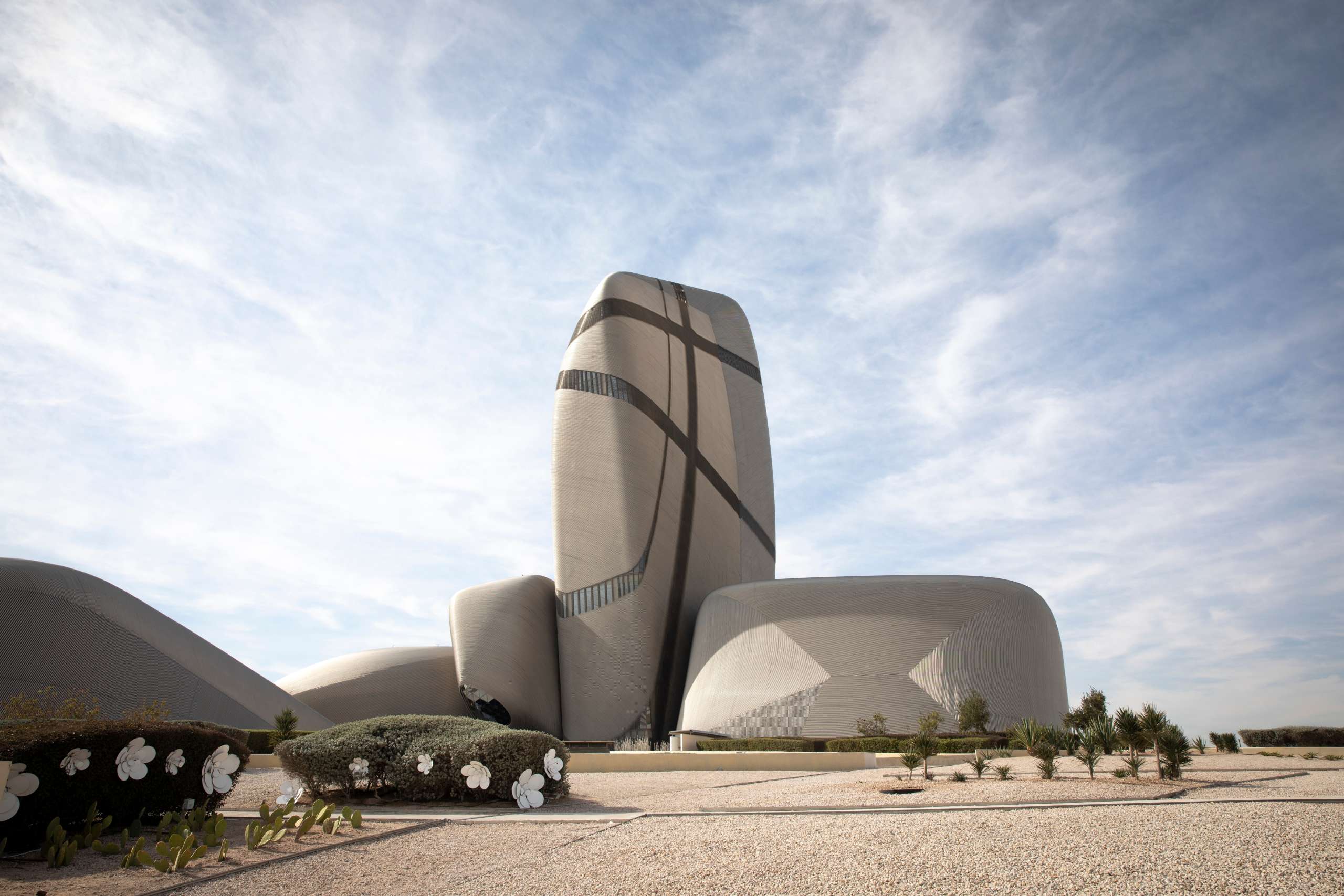
Saudi Arabia Property Market 2026: Vision 2030 Projects Support Resilient Growth
Riyadh Leads a Resilient Property MarketSaudi Arabia’s real estate market remained resilient in July 2026, supported by Vision 2030 projects, infrastructure investment and sustained residential demand.Riyadh continued to lead growth across both the residential and commercial sectors, while hospitality and logistics benefited from tourism expansion and broader industrial development.Residential transactions remained above 20,000, signalling continued underlying demand even as overall transaction volumes moderated compared with the previous year.In the commercial market, Riyadh remained the Kingdom’s strongest-performing location, with prime office rents continuing to rise amid limited Grade A supply. This supply-demand imbalance is helping support rental performance in the capital. Mega-Projects Continue to Support Investor ConfidenceSaudi Arabia’s large-scale development pipeline remains central to its long-term real estate story.Major projects including NEOM, Diriyah Gate, New Murabba, King Salman Park, Qiddiya, Jeddah Central and the Red Sea developments continue to attract domestic and international attention.These projects, combined with ongoing foreign investment reforms, are reinforcing confidence in the Kingdom’s property market despite some moderation in transaction activity.The broader investment environment also remains supported by Saudi Arabia’s long-term economic fundamentals, infrastructure expansion and continued efforts to improve market accessibility for international investors.OutlookSaudi Arabia’s property market is expected to remain resilient through the second half of 2026.Residential price growth may remain modest, but government investment, population growth and business expansion should continue to support demand across residential, commercial, hospitality and logistics sectors.The strongest opportunities are likely to remain in markets benefiting from limited prime supply, major infrastructure investment and long-term Vision 2030 development, with Riyadh continuing to stand out as the Kingdom’s key commercial growth centre.The contents of this article were contributed by Shareef Ghaleb Kattan, Head of IQI Saudi Arabia.Download to see insights from other country marketsDownload
4 September
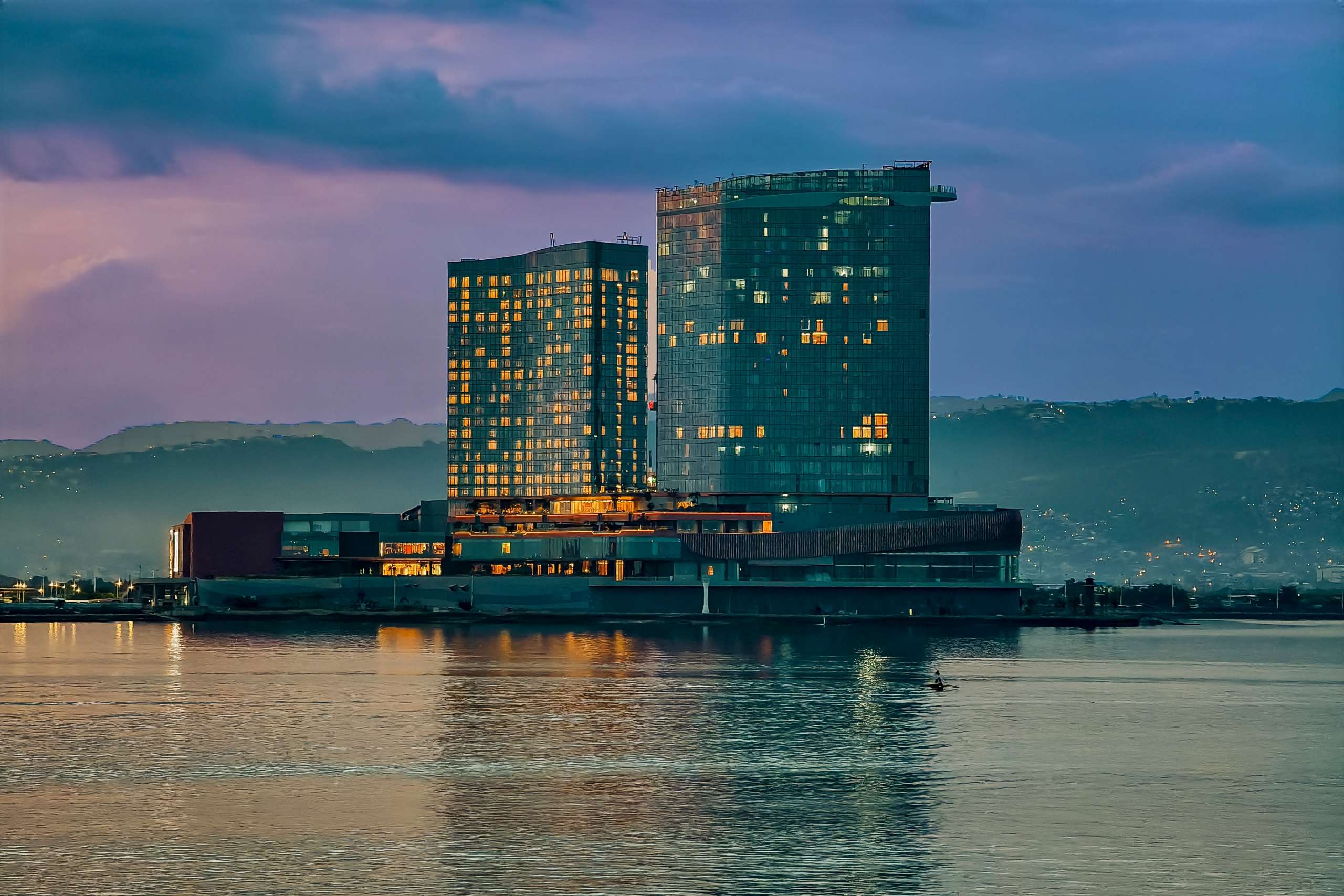
Philippines Property Market 2026: Recovery Strengthens Across Key Sectors
Industrial and Commercial Recovery Gains GroundThe Philippine property market entered the second half of 2026 with recovery strengthening across industrial, commercial and residential real estate.Industrial property remains the standout segment. First-half merchandise exports reached US$46.72 billion, the strongest performance since 1991, supported by electronics demand linked to the global AI supply chain.This momentum is feeding into a 1,200-hectare industrial land pipeline for 2026 to 2028, while industrial rents have increased 45% since 2019. New demand from EV and battery manufacturers is also supporting the sector.Metro Manila’s office vacancy remained stable at 19%, despite softer leasing volumes, while flexible workspace take-up doubled year-on-year. Retail vacancy is expected to fall below 10% by year-end, while around 3,100 new hotel rooms are scheduled for delivery in 2026. Residential Buyers Still Hold the AdvantageThe residential market remains firmly buyer-favourable.Inflation eased to 6.2% in July, marking a third consecutive month of improvement, while the BSP was expected to maintain its policy rate at 4.75%.Developers continue to compete for buyers through extended payment terms, rent-to-own structures and effective discounts of 3% to 12%.At the same time, future condominium supply is tightening sharply. Annual completions are expected to average around 3,600 units through 2028, down 72% from the 2017 to 2019 average.OutlookThe Philippines is entering a potentially important transition period.Improving inflation, the prospect of lower borrowing costs and a shrinking condominium pipeline could support stronger residential absorption into 2027.Meanwhile, industrial assets remain the strongest structural growth story, supported by exports, manufacturing and infrastructure demand.For investors, the second half of 2026 offers an opportunity to focus on quality industrial assets, flexible commercial space and competitively priced residential properties before financing conditions improve further.The contents of this article were contributed by Dara Ko-Saavedra, Head of IQI Philippines.Download to see insights from other country marketsDownload
4 September

Global Investment Outlook 2026: Technology Growth Outpaces Geopolitical Uncertainty
Two Forces Are Shaping the Global EconomyThe global investment environment in 2026 is being shaped by two very different forces: geopolitical uncertainty and rapid technological growth.Energy markets remain volatile. Oil prices moved above US$120 per barrel in April, fell to around US$73 in early July, and later stabilised near US$84 as negotiations between the United States and Iran resumed.At the same time, technology investment continues to accelerate. Thailand stands out, attracting US$43.6 billion in investment during the first half of 2026, up 37% year-on-year.Around US$33 billion went directly into AI and data centre projects, while foreign direct investment increased 80% year-on-year. These figures point to a broader shift in global capital towards markets positioned to benefit from the AI and digital infrastructure boom. Asia Continues to Attract CapitalThe broader economic outlook remains supportive despite current uncertainty. The IMF expects global growth of 3.0% in 2026, followed by a rebound to 3.4% in 2027.Southeast Asia is also showing stronger momentum, with regional growth estimated at 4.3%, while developing Asia is projected to expand by 5.1%.Capital is following that growth. Asia Pacific recorded its strongest-ever quarter for property investment in Q1, with approximately US$47 billion deployed.Property yields across Southeast Asia and Turkey remain between 5% and 8.5%, while gold continues to play a role as a defensive asset amid geopolitical volatility.OutlookThe key investment theme for 2026 is selective growth rather than broad risk avoidance.Geopolitical uncertainty may continue to create volatility, but technology, digital infrastructure and high-growth Asian markets are still attracting significant institutional capital.For investors, the stronger long-term opportunities are likely to remain in markets supported by technology investment, economic expansion and durable property fundamentals.The contents of this article were contributed by Hamid R. Azarmi, Head of Business Development.Download to see insights from other country marketsDownload
4 September

Pakistan Property Market 2026: Tax Relief and Digitisation Reshape Lahore
Lower Taxes Support Registered Property TransactionsPakistan’s property market entered FY2026–27 with a more supportive tax environment. From 1 July 2026, the seller withholding tax for filers under Section 236C was reduced to a flat 2.75%, while the buyer tax under Section 236K fell to 1.25%. Section 7E was also repealed.Punjab has also standardised stamp duty at 1% province-wide, further reducing transaction friction.At the same time, inflation eased to 9.2% in July, down from 11.1% in June, while the State Bank of Pakistan kept the policy rate unchanged at 11.5%. Lahore Shifts Towards Title-Clear, Established AssetsLahore’s market is also undergoing an important ownership reform. File-based property trading in LDA schemes ended from 1 July 2026, with the PLRA Green Property Certificate becoming the recognised ownership proof.This is pushing buyers towards title-clear, certificate-backed properties, particularly ready-to-move homes and plots in established areas such as DHA.The performance data reflects this preference. A DHA Defence 1 Kanal house averaged around US$375,000 in June 2026, up 10.7% year-on-year, while a 1 Kanal DHA plot rose 10.5% year-on-year.By comparison, the Lahore-wide 1 Kanal house benchmark increased 8.1% year-on-year.Infrastructure investment is another supporting factor, with the Lahore Ring Road SL-4 and planned ART transit corridor expected to strengthen medium-term commercial and mixed-use demand along connected areas.OutlookLahore’s near-term market is likely to favour established, liquid and properly documented assets.Lower transaction taxes should support formal market activity, while digitisation reforms are likely to increase the premium placed on clear ownership records.For buyers and investors, DHA and other well-established locations with strong documentation and connectivityappear best positioned as the market adjusts to the new regulatory environment.The contents of this article were contributed by Gohar Majid, Head of IQI Lahore Pakistan.Download to see insights from other country marketsDownload
4 September

