


























The mortgage calculator is intended for reference only. Actual amount may vary.
Monthly Payment
Send me the mortgage calculator result
Embed this calculator on your website
Copy the code below and paste it into your site.
<iframe src="https://webstag.iqiglobal.com/mortgage-calculator" width="100%" height="640" frameborder="0" title="IQI Mortgage Calculator" loading="lazy"></iframe>
Learn
Tips and Guides
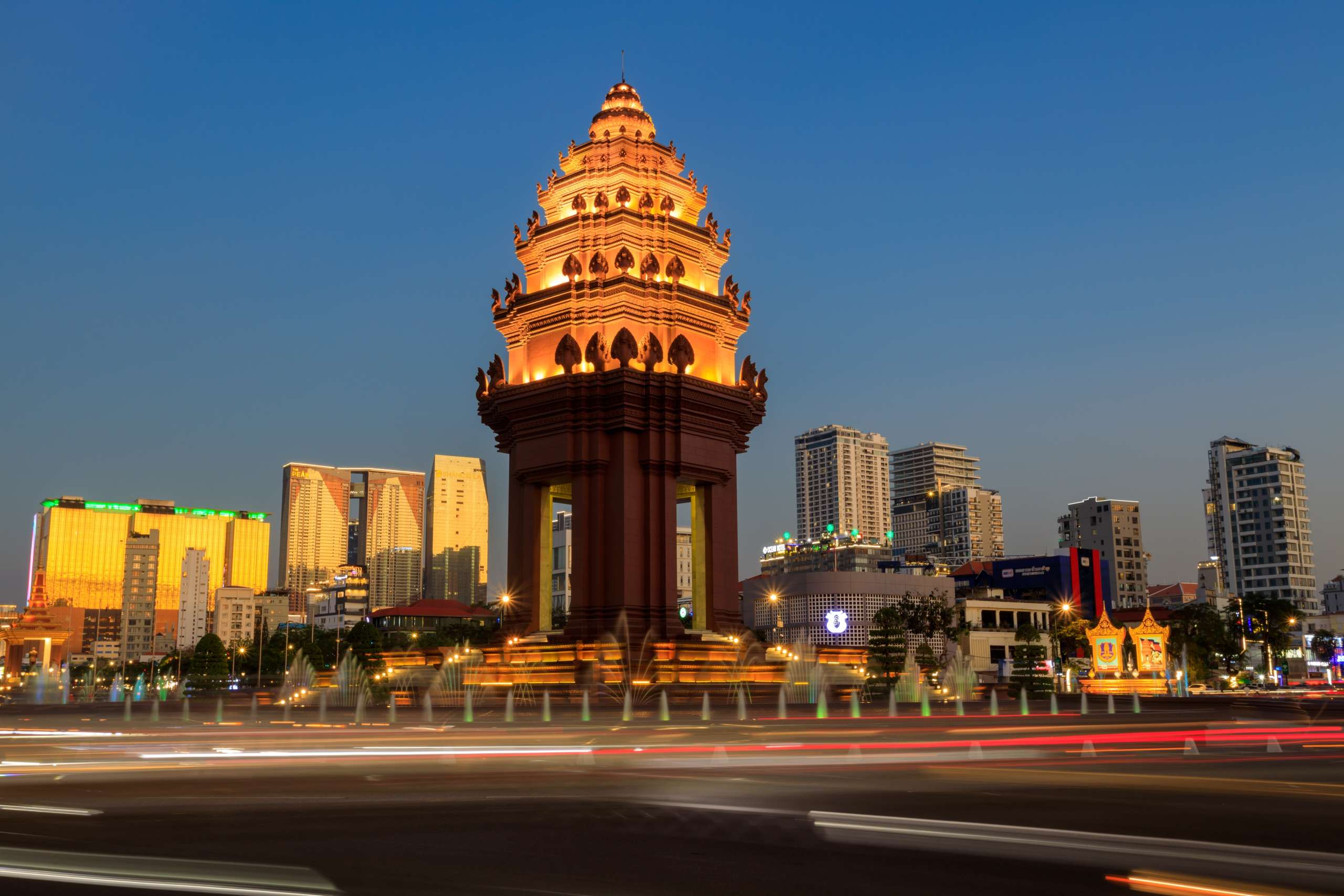 Cambodia Real Estate Recovery Gains Momentum in Mid-2026
Cambodia’s real estate market is gradually entering a more sustainable growth phase in mid-2026, supported by improving buyer confidence, infrastructure expansion, and stronger end-user demand. While the market remains selective, affordable housing and strategic land continue to attract the greatest interest from both local and regional investors. Economic growth is expected to remain stable at around 4.2% to 4.5%, supported by major infrastructure projects including the New Techo International Airport, Ring Road 3, and expanding urban transport networks. These developments continue to strengthen long-term confidence in Cambodia’s property market and improve connectivity across key growth corridors. The strongest-performing segment remains Borey landed housing, driven by middle-class demand, flexible payment plans, and improving financing access. Meanwhile, the condominium market is gradually stabilising as rental demand improves, although oversupply continues to affect selected locations. Investors are increasingly focusing on projects with strong fundamentals rather than speculative opportunities. Infrastructure-linked land remains another key growth area. Locations along the New Airport Corridor, as well as emerging districts in southern and western Phnom Penh, continue to attract attention. Areas such as Chroy Changvar, Sen Sok, Kamboul, Diamond Island, and Olympia City are benefiting from infrastructure investment and urban expansion. Buyer behaviour is also evolving. Today's purchasers are becoming more data-driven and selective, prioritising strong developers, Hard Title properties, infrastructure connectivity, and long-term value potential over short-term speculation. This shift is helping create a healthier and more sustainable market environment. Outlook Cambodia's property market is expected to strengthen gradually through the second half of 2026. Affordable housing, infrastructure-led developments, and long-term land investments are likely to remain the strongest opportunities. While condominium recovery may continue at a slower pace and remain location-dependent, the broader market is benefiting from improving fundamentals, growing infrastructure investment, and rising confidence among long-term investors. Download to see insights from other country marketsDownload
Continue Reading
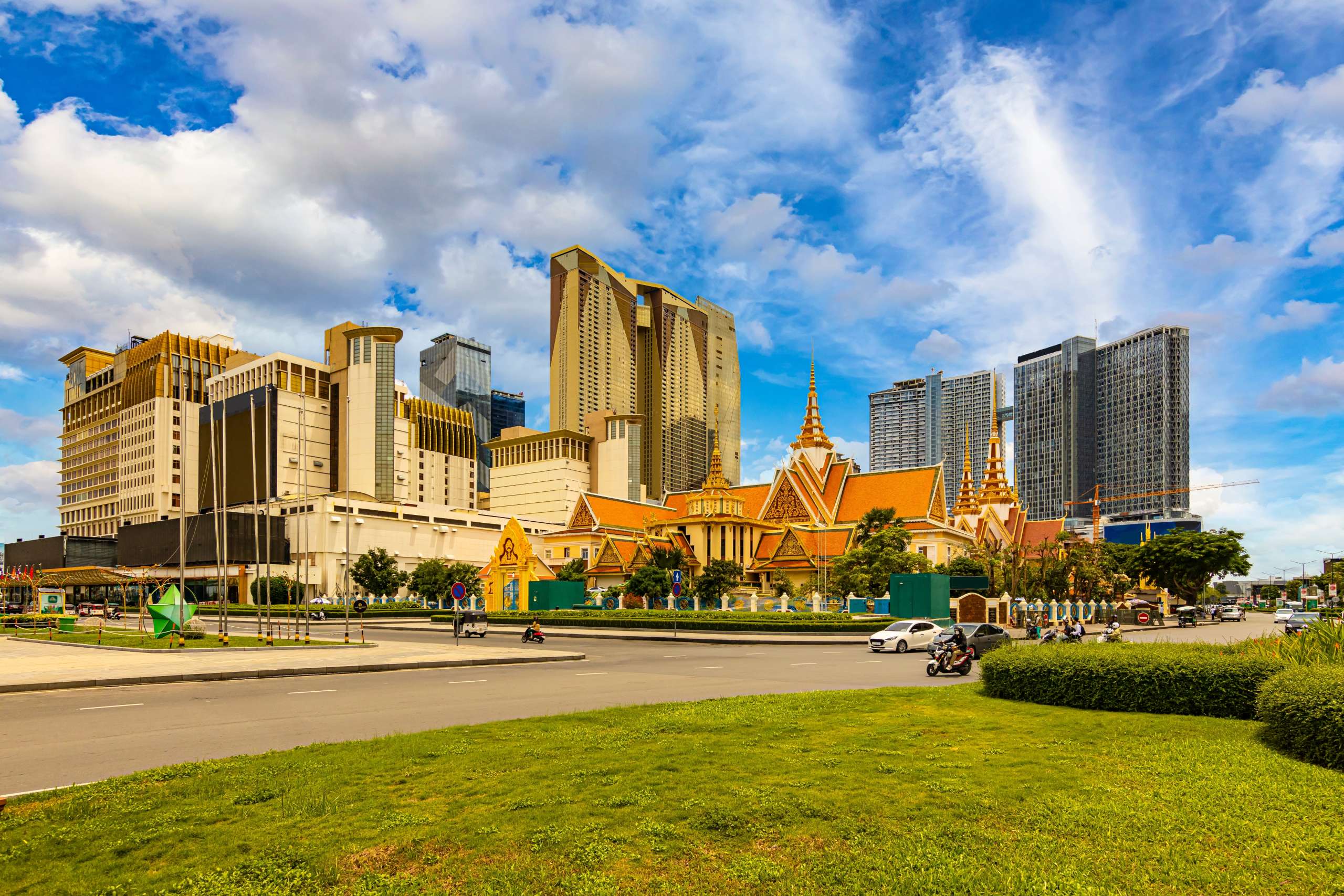 Cambodia Real Estate Recovery: Landed Homes and Growth Corridors Lead the Way
Cambodia’s real estate market is showing signs of gradual recovery in early 2026, with demand shifting away from speculative trading and moving toward real buyers, landed homes and infrastructure-linked locations. Landed Homes Lead the Recovery The borey, or landed property segment, remains the most active part of the market. Demand is supported by Cambodia’s growing middle class, better financing options and stronger buyer confidence. At the same time, condominiums are recovering more slowly due to oversupply in selected districts. However, rental demand from expats and professionals continues to support the segment. Growth Corridors Gain Investor Attention Infrastructure is becoming a major driver of property value. Areas linked to Ring Road 3, the New Airport Corridor, Chroy Changvar, Sen Sok and Kamboul are attracting more attention from buyers looking for long-term growth. Land in growth corridors has also seen strong appreciation, rising from around US$10 to US$20 per sqm in 2016 to US$100 to US$200 per sqm in 2026. Buyers Are Becoming More Careful Cambodian buyers and investors are becoming more data-driven. Instead of chasing short-term gains, they are now focusing on hard titles, infrastructure access, rental yield and long-term fundamentals. This marks a healthier shift for the market. Outlook Cambodia’s property market is expected to strengthen over the next 6 to 12 months, led mainly by landed homes and land in growth corridors. Condos may take longer to recover due to existing stock, but urban expansion toward the south and west will continue to shape new investment opportunities. For long-term investors, 2026 looks like a strategic buying window, especially for land and infrastructure-led locations. Download to see insights from other country marketsDownload
Continue Reading
 Can Foreigners Buy Property in Cambodia? A Clear Guide to Laws and Regulations
Cambodia has become an attractive destination for real estate investors in recent years. Thanks to its fast-growing economy and favourable investment climate. The land has proven to be a popular choice among the various properties, especially for locals who prefer landed homes over condominiums and apartments. In this article, we’ll explore the key factors to consider when investing in land in Cambodia, including the cost of property, foreign ownership regulations, and the reasons behind Cambodia’s rising appeal. Cambodia Property Guide: Understanding Cambodia Properties1. Hard Title2. Soft Title3. Strata TitleCan Foreigners Buy Land in Cambodia?How Much Does a Property Cost in Cambodia?Why Choose Cambodia?A Buyback OptionOther Things To Understand in Cambodia Understanding Cambodia Properties One of the key advantages of investing in land in Cambodia is its high appreciation rate. Land prices in good locations with good amenities can rise by 10% yearly. Moreover, for short-term investors, some opportunities only require a four-year commitment. This means that investors can expect to earn a handsome profit within a relatively short time frame. "Sounds promising but about foreign investors?" However, if you're a foreigner looking to invest in Cambodia, knowing the regulations governing land ownership is essential. While foreigners can own land and properties in Cambodia, some restrictions exist. According to Cambodian law, foreigners may own land through a company, provided a Cambodian entity owns 51% of the company. This means that a Cambodian citizen must hold the majority ownership of the company, while foreign individuals or entities can own the remaining 49%. Here are three types of properties you can invest in Cambodia: 1. Hard Title A Hard Title is the most secure and recognized form of land ownership in Cambodia. It is issued by the Land Management and Administration Project (LMAP) under the Ministry of Land Management, Urban Planning, and Construction. Ownership Rights: Owners of properties with a Hard Title have clear, legal ownership, which is recognised both by the Cambodian government and internationally. The title can be transferred, mortgaged, or sold. Registration: Hard Titles are registered with the Cadastral Office, and they have a clear record of the land’s ownership and boundaries. Foreign Ownership: Foreigners are not allowed to own land under a Hard Title. 2. Soft Title A Soft Title is a more informal and less secure form of property ownership, often used for land that has not been officially registered with the authorities. Ownership Rights: The Soft Title is typically recognised by local communities and the landholder, but it is not registered with the government, making it less secure than a Hard Title. Risks: Because Soft Titles are not officially registered, the risk of land disputes or legal challenges is higher. Registration: A Soft Title is often based on traditional ownership or informal agreements. Landholders may choose to convert their Soft Title into a Hard Title by going through the official registration process. Foreign Ownership: Foreigners are not allowed to own land under Soft Title. 3. Strata Title A Strata Title refers to the legal ownership of individual units within a condominium or multi-unit property. Ownership Rights: A Strata Title gives the owner full ownership of the interior space of their unit, while the common areas (e.g., hallways, elevators, amenities) are co-owned by all unit holders through a management company or owners' association. Foreign Ownership: Foreigners can own up to 70% of the units in a building that is registered under a Strata Title. This is one of the few ways foreigners can own property in Cambodia without having to partner with a local. Condominium Developments: Strata Titles are most common in modern condominium developments in urban areas like Phnom Penh, where real estate demand is high. Can Foreigners Buy Land in Cambodia? If you're still wondering whether foreigners can buy properties in Cambodia, the short answer is yes. But with significant restrictions: Land Lease: Foreigners can lease land in Cambodia for up to 99 years through a lease agreement. This option provides a way for foreign investors to use the land for commercial or residential purposes. Partnership with a Cambodian Citizen: Foreigners can enter into a partnership with a Cambodian citizen to buy land, where the Cambodian partner holds the legal title to the land, but the foreigner holds the majority of the profits from the property. Condominium Ownership: Foreigners are allowed to purchase property in Cambodia, but they can only buy up to 70% of the units in a condominium building. They can own the property outright if it is a condominium and meets the rules for foreign ownership. How Much Does a Property Cost in Cambodia? The cost of property in Cambodia varies depending on the location, type of land, and purpose of the investment. On average, prices for land in urban areas like Phnom Penh, Siem Reap, and Sihanoukville tend to be higher compared to rural or less developed regions. However, Cambodia remains one of the more affordable markets in Southeast Asia, especially when compared to neighbouring countries like Thailand or Vietnam. Phnom Penh: The capital city, Phnom Penh, is the most expensive area for land investment. For a standard single family home in Phnom Penh tend to be between $150k to $200k. Siem Reap: Known for its proximity to the famous Angkor Wat temples, Siem Reap has a thriving tourism industry. Land prices here are somewhat lower than Phnom Penh, ranging from $500 to $1,500 per square meter in prime areas. Sihanoukville: This coastal city has seen significant development in recent years. Prices for land here can range from $200 to $1,000 per square meter, with prime beachfront locations or developments near resorts. Rural Areas: In more rural regions land prices are much more affordable. Prices can be as low as $50 to $200 per square meter, making it an attractive option for large-scale development projects. Why Choose Cambodia? Economic Growth: Cambodia has been experiencing impressive economic growth, driven by sectors like tourism, construction, manufacturing, and agriculture. The country’s GDP has grown steadily in recent years, creating a favourable environment for investment. Affordable Property Prices: As mentioned earlier, Cambodia’s real estate market is relatively affordable compared to its regional counterparts, providing investors with an opportunity to secure land at lower prices with high potential for appreciation. Political Stability: Cambodia is a developing country, which is a key factor that attracts foreign investment. The government has actively encouraged foreign investment and continues to improve infrastructure, further supporting the growth of the real estate market. Strategic Location: Its proximity to major international shipping routes and growing trade partnerships around Southeast Asia makes it an attractive location for businesses and investors looking to tap into the region. Rising Demand for Real Estate: Cambodia’s growing population, expanding middle class, and increasing demand for both commercial and residential properties, the country’s real estate market offers plenty of opportunities for growth and long-term returns. Tourism Potential: With cities like Siem Reap and Phnom Penh, the country has led to an increased demand for real estate, making it an appealing option for those looking to invest in properties with rental or commercial potential. A Buyback Option In Cambodia, there's also a buyback option that can add a layer of security to your investment. In that case, they are confident in their ability to develop and sell the land at a profit within the agreed timeframe. A buyback agreement in real estate is a contract where the seller promises to buy back the property later, often at a fixed price or according to a specific formula. This type of agreement acts as a guarantee or option for the buyer, allowing them to sell the property back to the original seller within a certain period. Buyback agreements are commonly used in real estate transactions for various reasons, such as investment security, development projects, or certain types of financing arrangements. Indeed, a buyback option can add a layer of security to your investment. The buyback agreement also offers a guaranteed exit strategy, which can be particularly appealing for investors looking for a low-risk investment option. Other Things To Understand in Cambodia In addition to the buyback agreement, the demographic and infrastructure trends in Cambodia also make it an attractive investment option. Public services nearby, like Phnom Penh International Airport, Phnom Penh Autonomous Port, Sovannaphum Port, Green City Japanese town, Special Economic Zone, and Kandal Satellite City, makes the country more appealing than ever. Moeover, Cambodia's population is young and growing, with a median age of just 25. An alarmed and expanding market for goods and services, including real estate. As the economy continues to grow and more people move into the middle class, demand for property will likely increase. Furthermore, Cambodia's strategic location in Southeast Asia, its abundance of natural resources, and its government's efforts to improve infrastructure and attract foreign investment make it a promising destination for investors. That being said, as with any investment, there are always risks. Political instability, economic downturns, and other unexpected events can impact the value of your investment. With proper research and due diligence, investing in land in Cambodia can be a wise decision for those seeking to diversify their portfolio and capitalise on the country's growth potential. While there are regulations surrounding land ownership in Cambodia, foreign investors can still take advantage of the numerous investment opportunities available in this growing market. This article was written by Angela Chen. Looking for your townhouse investment in Cambodia? IQI is here to address all your queries! [hubspot portal="5699703" id="e2cc27a1-6702-4e49-8e60-1ff4ff9ef2f4" type="form"]
Continue Reading
 Why should you invest in Cambodia amidst COVID-19?
The World Bank may forecast Cambodia's economic growth to slump to between 2.5 per cent and 1 per cent this year, yet the situation offers an opportunity Cambodia to position themselves as a supply chain alternative to China. Retailers are learning lessons about the necessity of diversifying their manufacturing hubs to make them more resilient in the face of shocks. Several textile companies, such as Levi Strauss and Adidas, have recently increased their US imports from Cambodia. In the last 3 months, Levi Strauss had a 81.7% increase in shipments while Adidas had a 28.9% increase in imports from Cambodia. Now is the time for Cambodia to capitalize on this pivot and accelerate their manufacturing sector. The pandemic has also led to widespread displacement of workers, creating an opportunity for the government to invest in the human capital of workers. The government is providing retraining and upskilling programs for displaced workers to support their reintegration. The move is timely and falls into the broader narrative of preparing the ASEAN labor market for job losses, already anticipated pre-COVID-19, due to existing threats such as automation. The COVID-19 pandemic is an unprecedented crisis and Cambodia, a country dependent on tourism and supply chain links to China, is faced with heavy economic losses and an urgent need to strengthen public health capabilities. The government needs to respond quickly and decisively to stem the short term economic losses while ensuring that the most vulnerable groups are protected. But the crisis also creates an opportunity for Cambodia to re-examine its long term priorities. By placing strategic bets on supply chain diversification and investment in human capital, Cambodia can emerge stronger in the post-pandemic world.
Continue Reading

