


































จดหมายข่าว
ติดตามข่าวสารล่าสุดของเราเกี่ยวกับ Juwai IQI

Singapore Property Market Slows but Recovery Signs Remain
Singapore’s private residential market saw slower activity in February 2026 as home sales declined sharply following the Chinese New Year period. Developers also held back on major launches, contributing to weaker month-on-month transaction volumes. With no new launches during the month, most transactions came from existing projects.Despite the slowdown, several projects continued to show healthy demand. Developments such as Newport Residences, One Marina Gardens, and The Orie remained among the stronger-performing launches, particularly within the Rest of Central Region (RCR) and suburban markets. Demand in prime areas also remained relatively resilient despite broader market caution.Key HighlightsHome sales fell sharply in February after seasonal festive slowdowns.Most transactions came from existing projects due to limited new launches.Demand remained stable in selected RCR and suburban developments.The luxury segment recorded fewer transactions but continued attracting high-value buyers.Upcoming launches and HDB upgrades are expected to support future market activity.The luxury market saw more moderate activity, although several transactions above SGD$5 million were still recorded, showing continued interest in premium assets despite affordability concerns and cautious market sentimentOutlookLooking ahead, Singapore’s property market is expected to gradually recover as new launches return and domestic demand remains stable. However, affordability pressures, interest rate conditions, and global geopolitical risks are likely to continue influencing buyer sentiment throughout 2026.Download to see insights from other country marketsDownload
7 พฤษภาคม
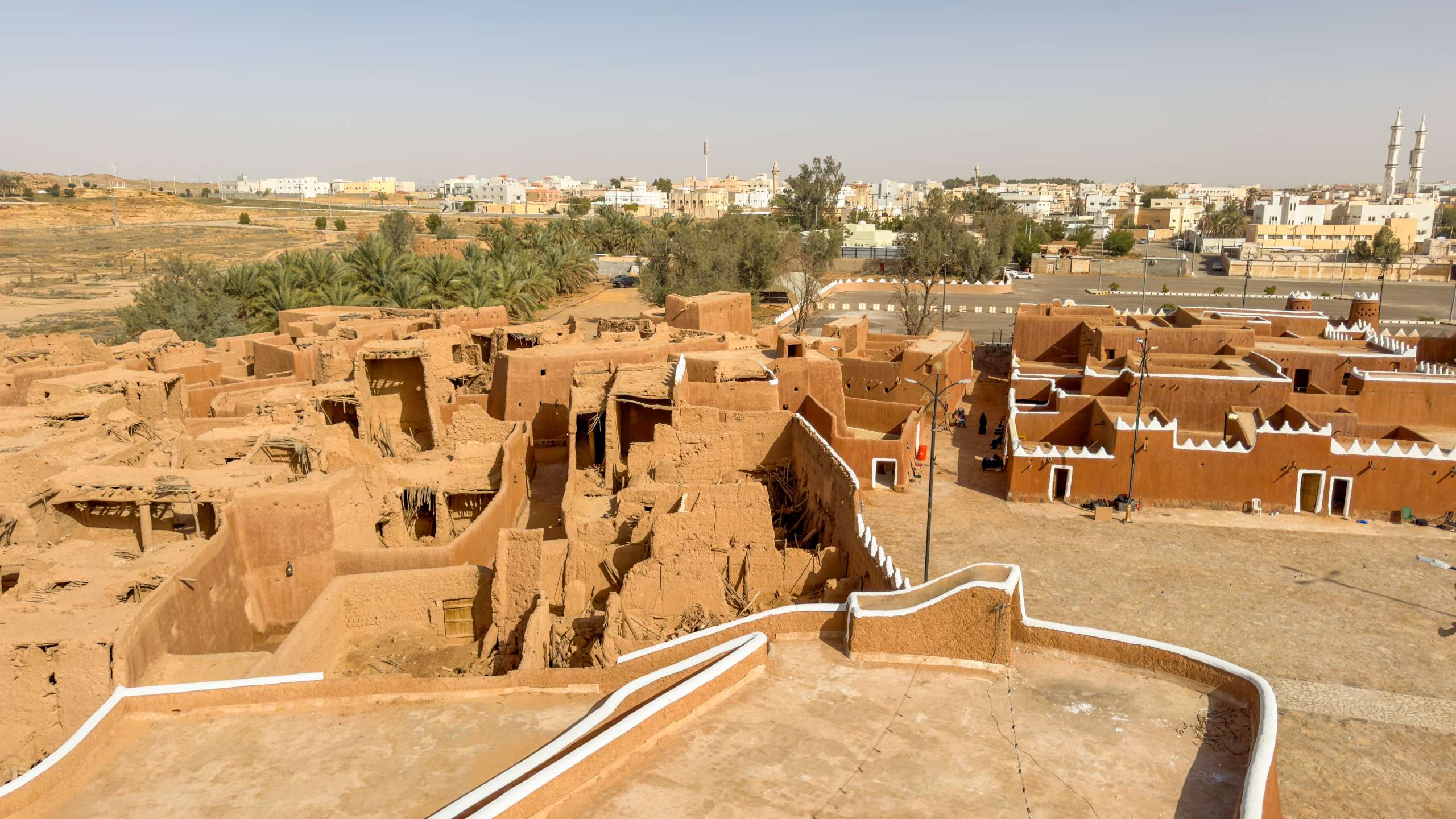
Saudi Arabia Real Estate Market Driven by Growth and Diversification 2026
Saudi Arabia’s real estate market remains one of the fastest-growing sectors in the Gulf region, supported by Vision 2030 reforms, large-scale infrastructure projects, and rising foreign investment interest. As the country expands beyond oil dependency, real estate is benefiting from growth in tourism, entertainment, and urban development.One of the biggest trends is the strong demand for housing in major cities such as Riyadh and Jeddah, particularly within affordable and mid-income segments. Commercial real estate is also seeing healthier demand, especially for premium offices, mixed-use developments, and flexible workspaces as business activity grows.At the same time, Saudi Arabia’s tourism and hospitality sector continues gaining momentum through religious tourism, leisure travel, and government-backed destination projects. Combined with reforms allowing greater foreign ownership participation, investor confidence in the market continues to strengthen.What Investors Should KnowVision 2030 continues driving long-term property demand.Residential and mixed-use developments remain key growth sectors.Tourism expansion is creating new hospitality investment opportunities.Foreign investor accessibility is improving across the market.Investors should still monitor project execution risks and rising competition.OutlookLooking ahead, Saudi Arabia is expected to remain a major regional growth market as urban transformation and tourism expansion continue accelerating. Long-term opportunities remain strong, particularly for investors focused on well-located, government-supported developments.Download to see insights from other country marketsDownload
7 พฤษภาคม

Philippines Property Market Navigates Uneven Recovery in 2026
The Philippine real estate market entered April 2026 facing pressure from rising energy costs, inflation, and weaker consumer purchasing power. Heavy reliance on imported oil continues to impact fuel prices and household spending, creating a more cautious environment for the property sector.The residential market remains challenged by a large inventory of unsold condominiums, with some areas carrying more than two years of supply. While affordability support measures and developer incentives are helping stimulate activity, higher living costs and slower demand continue weighing on the market. Developers are increasingly offering discounts, rent-to-own schemes, and extended payment terms to attract buyers.Commercial real estate recovery also remains uneven. Office demand is gradually stabilising, particularly for higher-quality spaces in prime locations, while retail activity is improving alongside mall upgrades and stronger brand presence. However, the hospitality sector continues to face softer tourism demand and lower hotel occupancy levels.Among all sectors, industrial real estate continues to stand out as the most resilient segment. Strong demand from logistics, manufacturing, and export-oriented industries is supporting expansion in Central Luzon and other industrial corridors, with policy support also driving interest in sectors such as semiconductors and renewable energy.OutlookLooking ahead, the Philippine property market is expected to remain defensive in the near term as inflation and energy-related pressures continue. Industrial and prime-location assets are likely to remain the strongest-performing segments, while broader recovery will depend on improving economic conditions and consumer confidence.Download to see insights from other country marketsDownload
7 พฤษภาคม

People Financial Guide 2026: Staying Resilient Through Global Uncertainty
Global markets in 2026 continue to face heightened volatility driven by geopolitical tensions, inflation concerns, and fluctuating energy prices. Rising oil prices linked to ongoing Middle East conflicts have added fresh pressure to financial markets, even as the broader global economy remains relatively resilient.Despite these uncertainties, real estate continues to stand out as a relatively stable long-term asset. Global commercial real estate activity is expected to improve in 2026, supported by stronger rental demand and growing investor confidence. Sectors such as logistics, multifamily housing, and data centres remain particularly resilient due to limited supply and consistent occupancy levels.In this environment, diversification and liquidity are becoming increasingly important. Investors are balancing portfolios across real estate, fixed income, commodities, and safe-haven assets while maintaining sufficient liquidity to manage short-term market fluctuations. Historically, disciplined investors who stay focused on long-term fundamentals tend to navigate uncertainty more effectively than those reacting emotionally to temporary market cycles.OutlookLooking ahead, market volatility is likely to remain throughout 2026 as geopolitical and inflation risks continue evolving. However, investors who prioritise resilience, diversification, and quality long-term assets are expected to remain better positioned to protect and grow their wealth over time.
7 พฤษภาคม

Pakistan Real Estate Market Rebuilds Amid Economic Challenges
Pakistan’s real estate market is showing early signs of recovery in 2026 after a prolonged period of inflation, high interest rates, and policy uncertainty. Transaction activity is gradually improving, particularly within end-user-driven residential segments.Shift Towards Safer InvestmentsInvestor sentiment has become more cautious compared to previous years. Buyers are increasingly prioritising ready-to-move-in properties, projects by reputable developers, and legally approved developments that offer stronger security and lower investment risk. This reflects a broader shift towards stability and long-term value preservation.Rising Construction Costs Reshape SupplyGlobal energy prices and ongoing supply chain pressures continue to increase the cost of key construction materials such as cement and steel. As development costs rise, some new project launches are slowing down, which in turn is strengthening demand for existing prime-location properties with immediate availability.Overseas Investors Continue to Drive DemandReal estate remains a preferred remittance investment channel for overseas Pakistanis. Stronger foreign currency purchasing power is also supporting demand for premium and income-generating properties.Growing Rental and End-User DemandDemand for urban rental housing is rising steadily as investors shift away from short-term flipping towards stable rental income and long-term occupancy within well-planned communities.OutlookLooking ahead, Pakistan’s property market is expected to continue its gradual recovery as confidence improves and economic conditions stabilise. Demand for secure, well-located, and income-generating properties is likely to remain resilient, supported by overseas investment flows and sustained end-user demand in major urban centres.Download to see insights from other country marketsDownload
7 พฤษภาคม
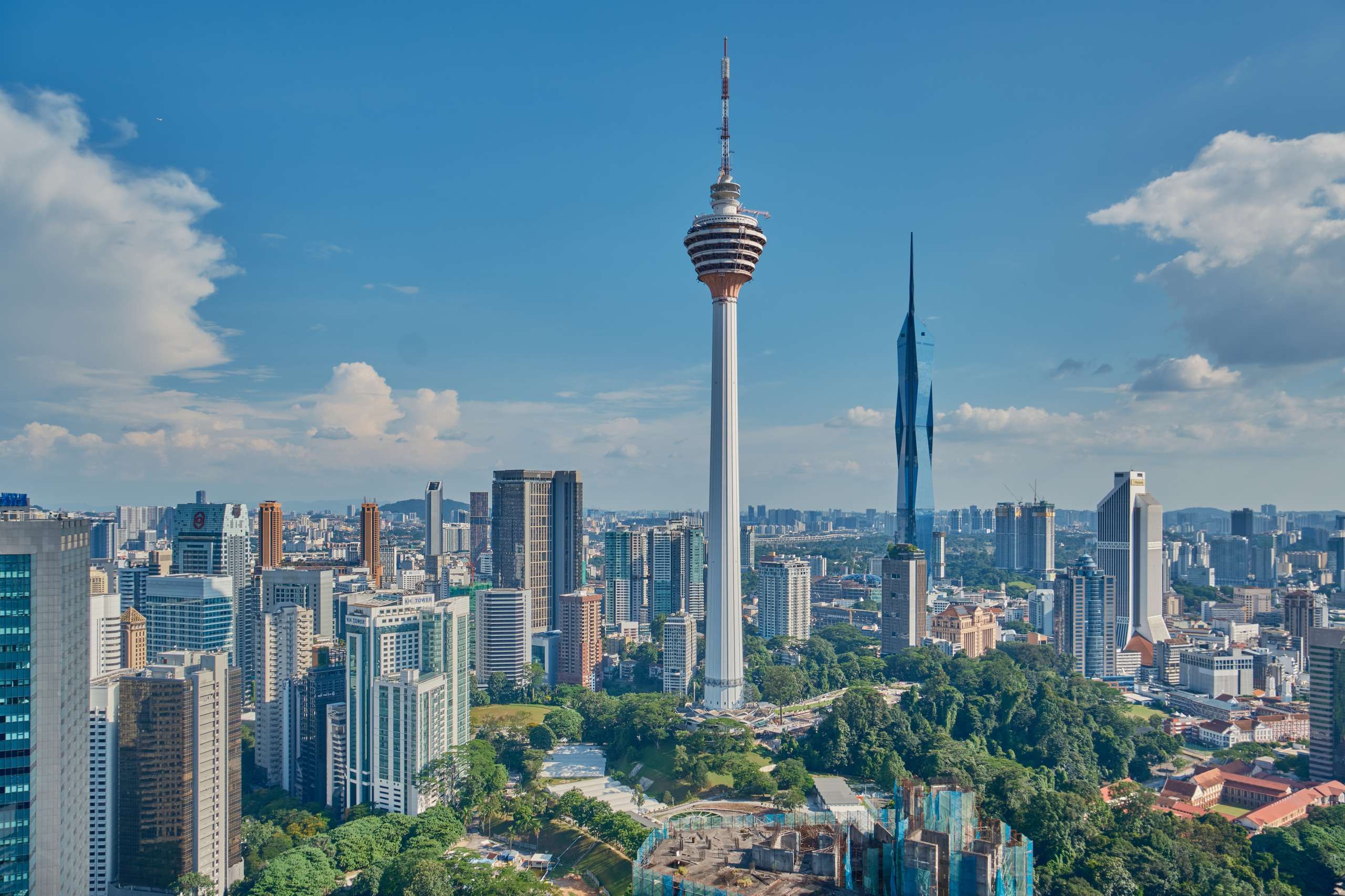
Malaysia Property Market Enters the Smart Buyer Era
Malaysia’s property market is entering a new phase where buyers are becoming more informed, data-driven, and technology-focused. In 2026, access to transaction data, valuation platforms, and digital tools has shifted market power towards buyers, changing how property professionals operate and compete.Today’s buyers no longer rely solely on agents for pricing information. Before attending a viewing, many have already compared historical transaction data, checked price-per-square-foot benchmarks, and researched nearby market trends. This means agents are increasingly expected to act as advisors who can provide deeper market intelligence rather than simply facilitating transactions.The rise of information overload is also reshaping marketing strategies. Traditional blanket marketing and mass listing approaches are becoming less effective, as modern buyers are more selective and filter out generic content. Agencies that can provide personalised recommendations, predictive marketing, and targeted lead matching are gaining a stronger advantage.At the same time, technology adoption is accelerating across the industry. AI-powered assistants and automated response systems are helping agencies handle enquiries instantly, pre-qualify leads, and improve customer engagement around the clock. In an increasingly fast-moving market, responsiveness and digital capability are becoming critical competitive factors.OutlookAs technology adoption accelerates, Malaysia’s property market is expected to become even more buyer-centric. Agencies and professionals that embrace AI, real-time data, and personalised advisory services will be better positioned to stay competitive in the evolving real estate landscape.Download to see insights from other country marketsDownload
7 พฤษภาคม

Italy: Sardinia Emerges as a Prime Lifestyle Investment Market
Sardinia’s property market is entering its peak season with growing investor interest ahead of the summer months. As tourism activity increases, buyers are moving early to secure properties before demand strengthens further in July and August.Property prices in Sardinia have risen by around 6.5% compared to 2025, while international buyers now account for over 40% of transactions. Prime villa markets such as Costa Smeralda continue to attract high-net-worth buyers, with luxury properties reaching premium pricing levels.The island also remains attractive for short-term rental investment. Sardinia’s tourism-driven market generates most annual rental income during the summer season, with premium properties benefiting from strong occupancy and attractive rental yields.Beyond luxury hotspots, emerging inland areas and southern regions are gaining attention due to more accessible pricing and long-term growth potential. Combined with Italy’s relatively favourable tax framework for international buyers, Sardinia continues to balance lifestyle appeal with investment opportunity.OutlookLooking ahead, Sardinia is expected to remain one of Italy’s strongest lifestyle-driven property markets. Rising international demand, tourism recovery, and limited prime coastal supply are likely to continue supporting both rental income potential and long-term capital growth, particularly for buyers entering ahead of peak summer demand.Download to see insights from other country marketsDownload
6 พฤษภาคม

Perlis Inland Port to Strengthen Malaysia’s Northern Logistics Growth
The Perlis Inland Port (PIP) is emerging as a major logistics hub in northern Malaysia, strengthening cross-border trade and rail connectivity between Malaysia and Thailand. Located in Padang Besar, the project is designed to improve cargo efficiency while easing congestion at existing ports and terminals.Phase 1 of the port is expected to handle around 300,000 TEUs annually, with long-term plans to expand capacity to one million TEUs. Backed by federal funding and integrated rail links, the port will connect key trade routes including Penang Port and the ECRL network, supporting faster and more efficient freight movement across the region.The development also supports Malaysia and Thailand’s target of achieving US$30 billion in bilateral trade by 2027, positioning Malaysia as a stronger logistics gateway within ASEAN.OutlookAs regional trade and supply chain activity continue to grow, infrastructure projects like the Perlis Inland Port are expected to drive new opportunities in logistics, industrial development, and cross-border commerce in northern Malaysia.Discover More HereDownload
6 พฤษภาคม

