

Negotiator ∙ Elite
Sally Goh Siew Lian
REN34981
Negotiator ∙ Elite
Sally Goh Siew Lian
REN34981
About Sally Goh Siew Lian
Professional Real Estate Agent committed to providing exceptional service and expertise in the property market.
8 years at IQI
Contact Sally Goh Siew Lian
Sally Goh Siew Lian Social Links
No social links available.
My Listings
No listings available at the moment.
Our newly launched projects
Discover the real estate properties in and around Kuala Lumpur, Malaysia. Buy apartment units, landed houses, bungalows, commercial office space, shop lots, and sub-sales with 100% confidence at IQI Global.

Sanctuary Suria
Taman Impian Indah, 14100 Bukit Mertajam, Penang, Malaysia
Starting from RM 800,000
Listed on September 9, 2024

Duduk Ceria
Batu Kawan, Seberang Perai Selatan, Seberang Perai, Pulau Pinang, 14110, Malaysia
Starting from RM 443,000
Listed on August 21, 2024

Taman Mengkuang Jaya 3
Jln Mengkuang Jaya, 14400 Kubang Semang, Pulau Pinang, Malaysia
Starting from RM 741,000
Listed on August 13, 2024

Saujana Permai
97, Jalan SP Saujana Permai 1, 4, Taman SP Saujana Permai, 08000 Sungai Petani, Kedah, Malaysia
Starting from RM 530,100
Listed on June 27, 2024

Andalan @ Bukit Jalil
Jalan Mas 1, Kuala Lumpur, 47180, Malaysia
Starting from RM 300,000
Listed on June 6, 2024

Sanderling Lakefront @ Cyberjaya
Cyberjaya, 63000 Cyberjaya, Selangor, Malaysia
Starting from RM 488,800
Listed on December 20, 2023
Mortgage Calculator
Calculate your estimated month repayment and plan your monthly expenses well.
The mortgage calculator is intended for reference only. Actual amount may vary.
Monthly Payment
Send me the mortgage calculator result

Home Loan Eligibility Calculator
Calculate your potential loan amount and assess your home buying affordability.

Rental Yield
Calculate the potential rental yield and evaluate a property's investment performance.

Down Payment Saving Plan
Create a structured savings plan and determine how much to save monthly for your down payment plan.

Malaysian Property Transaction Fees Calculator
Estimate the total transaction fees and budget accurately for your Malaysian property purchase.
IQI blog & news
Articles specifically curated for your daily digest of local and global real estate news.

25 Mar, 2026
MM2H Malaysia 2026: Mengapa Pelabur China & Timur Tengah Semakin Membanjiri Pasaran Hartanah?
Program Malaysia My Second Home (MM2H) semakin mendapat perhatian pelabur dari China dan Timur Tengah pada tahun 2026. Malaysia dilihat sebagai destinasi yang stabil, neutral secara geopolitik dan menawarkan hartanah yang masih berpatutan berbanding bandar global lain. TLDR: Data media tempatan menunjukkan bahawa program ini menyumbang berbilion ringgit kepada ekonomi negara dan menarik pelaburan asing yang membantu merancakkan sektor hartanah, pelancongan dan perkhidmatan. Walaupun terdapat kebimbangan mengenai harga rumah, pembeli asing biasanya membeli hartanah premium yang tidak bersaing dengan segmen rumah mampu milik untuk rakyat tempatan. Table of contentsMagnet Pelaburan 2026: Mengapa Malaysia Jadi Tumpuan DuniaApa Itu Malaysia My Second Home (MM2H)?Syarat Terkini MM2H Malaysia 2026Mengapa Pelabur China & Timur Tengah Memilih Malaysia?Kesan MM2H Terhadap Ekonomi MalaysiaKawasan Popular Pelabur Asing di MalaysiaAdakah Hartanah Malaysia Masih Berpatutan?Strategi Pelaburan Hartanah Malaysia 2026Soalan Lazim (FAQ) Magnet Pelaburan 2026: Mengapa Malaysia Jadi Tumpuan Dunia Bayangkan anda sedang minum teh tarik di Kuala Lumpur. Di meja sebelah, seorang pelabur dari Dubai berbincang dengan rakan niaganya dari Shanghai tentang projek kondominium di Mont Kiara. Ini bukan lagi cerita luar biasa. Menurut DagangNews, program MM2H kini semakin mendapat perhatian pelabur negara Teluk kerana Malaysia dilihat lebih selamat dan neutral (DagangNews, 2026). Pada masa sama, pasaran hartanah Malaysia terus menarik minat pelabur asing walaupun ringgit kukuh. “Pasaran hartanah Malaysia masih diminati pelabur asing walaupun nilai ringgit semakin mengukuh.”(Bernama, 2026) Apa Itu Malaysia My Second Home (MM2H)? Program Malaysia My Second Home (MM2H) ialah skim residensi jangka panjang yang membolehkan warga asing tinggal di Malaysia melalui syarat kewangan tertentu. Antara keperluan utama termasuk: simpanan tetap pendapatan minimum pelaburan hartanah Program ini diperkenalkan untuk menarik pelabur berkualiti tinggi yang mampu menyumbang kepada ekonomi negara. Menurut laporan media tempatan, MM2H telah menyumbang kira-kira RM3.87 bilion kepada ekonomi Malaysia, menunjukkan peranannya yang signifikan dalam menarik pelaburan asing. Syarat Terkini MM2H Malaysia 2026 Program MM2H kini dibahagikan kepada: Platinum Gold Silver Setiap kategori mempunyai syarat kewangan berbeza. Tujuannya jelas:? menarik pelabur berkualiti tinggi Mengapa Pelabur China & Timur Tengah Memilih Malaysia? Minat pelabur dari China dan negara Timur Tengah seperti UAE, Qatar dan Arab Saudi semakin meningkat. Walaupun berasal dari latar belakang berbeza, mereka berkongsi sebab yang sama: ? Malaysia stabil, berpatutan dan berpotensi Kestabilan & keselamatan Malaysia dilihat sebagai negara yang neutral dan stabil dari segi geopolitik, menjadikannya lokasi selamat untuk pelaburan jangka panjang. Harga hartanah masih berpatutan Berbanding Singapura, Hong Kong dan Dubai, harga hartanah Malaysia masih lebih rendah tetapi menawarkan gaya hidup berkualiti tinggi. Ini menjadikan Malaysia pilihan utama untuk pelaburan hartanah Malaysia untuk warga asing. Gaya hidup & pendidikan Malaysia menawarkan: sekolah antarabangsa berkualiti kos hidup lebih rendah persekitaran sesuai untuk keluarga Diversifikasi aset Ramai pelabur antarabangsa melihat Malaysia sebagai peluang untuk: mempelbagaikan portfolio melindungi kekayaan melabur dalam pasaran yang sedang berkembang Trend ini juga selari dengan peningkatan kemasukan pelabur asing melalui MM2H dalam beberapa tahun kebelakangan ini. Adakah Pelabur Asing Menaikkan Harga Rumah di Malaysia? Ini adalah kebimbangan utama rakyat Malaysia. Namun realitinya, pelabur asing membeli hartanah dalam segmen premium. PembeliJulat HargaTempatanRM300k – RM700kAsingRM1 juta ke atas Ini bermakna mereka tidak bersaing secara langsung dengan pembeli rumah mampu milik. Kesan MM2H Terhadap Ekonomi Malaysia menurut pandangan industri, program MM2H bukan sekadar menarik warga asing, tetapi juga memainkan peranan penting dalam mengukuhkan kedudukan Malaysia sebagai destinasi pelaburan serantau. “Malaysia berada dalam kedudukan unik sebagai pasaran hartanah yang stabil, mampu milik dan berpotensi untuk pertumbuhan jangka panjang. Program seperti MM2H membantu menarik pelabur berkualiti yang bukan sahaja membeli hartanah, tetapi turut menyumbang kepada ekonomi melalui perbelanjaan dan pelaburan. Kashif Ansar, Group CEO of Juwai Iqi Pandangan ini selari dengan trend semasa, di mana pelabur antarabangsa semakin melihat Malaysia sebagai destinasi yang menawarkan keseimbangan antara pulangan pelaburan dan kualiti hidup.konomi Malaysia Program MM2H memberi kesan besar kepada ekonomi. Pelaburan meningkat Pembaharuan MM2H dijangka menjana hampir RM1 bilion pelaburan setiap tahun, menyumbang kepada pertumbuhan ekonomi negara. Aktiviti ekonomi berkembang Pelabur asing yang tinggal di Malaysia membelanjakan wang dalam sektor seperti: pelancongan pendidikan kesihatan hartanah Ini membantu merangsang ekonomi tempatan secara menyeluruh. Peluang pekerjaan Peningkatan pelaburan dan pembangunan hartanah membuka lebih banyak peluang pekerjaan dalam sektor pembinaan, kewangan dan perkhidmatan. Kawasan Popular Pelabur Asing di Malaysia Antara kawasan yang menjadi pilihan utama pelabur asing termasuk: Kuala Lumpur Johor Bahru Pulau Pinang Langkawi Kawasan ini mempunyai ciri-ciri berikut: lokasi strategik permintaan sewaan tinggi infrastruktur moden Ia juga dikenali sebagai antara kawasan terbaik beli rumah di Malaysia, khususnya untuk pelaburan jangka panjang. Adakah Hartanah Malaysia Masih Berpatutan? Jawapannya: Ya. Berbanding bandar utama Asia seperti: Singapura Hong Kong Tokyo harga hartanah di Malaysia masih berada pada tahap yang lebih rendah. Ini menjadikan Malaysia antara destinasi paling menarik untuk? Pelaburan hartanah Malaysia untuk warga asing Walaupun terdapat kebimbangan tentang kenaikan harga, pelabur asing kebanyakannya membeli hartanah premium dan tidak memberi tekanan kepada segmen rumah mampu milik. Strategi Pelaburan Hartanah Malaysia 2026 Bagi pelabur tempatan dan antarabangsa, beberapa strategi penting boleh dipertimbangkan. Pilih lokasi strategik Kuala Lumpur, Johor Bahru dan Pulau Pinang kekal sebagai hotspot utama. Fokus kepada hartanah premium Permintaan daripada pelabur asing lebih tertumpu kepada hartanah bernilai tinggi. Pantau polisi MM2H Syarat dan polisi boleh berubah bergantung kepada keadaan ekonomi semasa. Rumusan Program MM2H Malaysia 2026 memainkan peranan penting dalam menarik pelaburan global ke negara ini. Dengan peningkatan minat daripada pelabur China dan Timur Tengah, pasaran hartanah Malaysia dijangka terus berkembang dalam beberapa tahun akan datang. Bagi Malaysia, ini bermakna lebih banyak pelaburan dan peluang ekonomi.Bagi pelabur pula, Malaysia menawarkan kombinasi unik antara kestabilan, kos rendah dan potensi pertumbuhan. Soalan Lazim (FAQ) Apa itu program Malaysia My Second Home (MM2H)? Program Malaysia My Second Home (MM2H) ialah skim residensi jangka panjang yang membolehkan warga asing tinggal di Malaysia dengan memenuhi syarat kewangan seperti simpanan tetap, pendapatan minimum dan pelaburan hartanah. Kenapa pelabur China dan Timur Tengah memilih Malaysia? Pelabur China dan Timur Tengah memilih Malaysia kerana negara ini stabil, neutral secara geopolitik, mempunyai kos hidup yang lebih rendah serta menawarkan hartanah yang masih berpatutan berbanding bandar global lain. Bolehkah warga asing membeli hartanah di Malaysia? Ya, warga asing boleh membeli hartanah di Malaysia, tetapi tertakluk kepada harga minimum yang biasanya bermula sekitar RM1 juta bergantung kepada negeri dan jenis hartanah. Adakah pelabur asing menaikkan harga rumah di Malaysia? Tidak secara langsung. Pelabur asing kebanyakannya membeli hartanah dalam segmen premium, manakala pembeli tempatan lebih tertumpu kepada rumah mampu milik, jadi kedua-duanya tidak bersaing dalam pasaran yang sama. Adakah hartanah Malaysia masih berbaloi untuk pelaburan pada 2026? Ya. Hartanah Malaysia masih dianggap berpatutan berbanding negara lain di Asia, dengan potensi pertumbuhan jangka panjang serta permintaan yang semakin meningkat daripada pelabur tempatan dan antarabangsa. Continue Reading: 5 Reformasi Hartanah Malaysia 2026: Menuju “Sifar Projek Terbengkalai Pusat Data Pacu Peralihan Strategi Pemaju Hartanah Malaysia Risiko Pelaburan Hartanah Yang Sering Dipandang Ringan Oleh Pelabur Reference Alzahrin Alias. (2025, Jun 5). Program MM2H bawa banyak manfaat kepada ekonomi Malaysia - Penganalisis. Berita Harian. Retrieved fromhttps://www.bharian.com.my/bisnes/lain-lain/2025/06/1404864/program-mm2h-bawa-banyak-manfaat-kepada-ekonomi-malaysia Astro Awani. (2025, Mac 11). Pembaharuan program MM2H pacu ekonomi dengan pelaburan tahunan hampir RM1 bilion - IQI. Retrieved fromhttps://www.astroawani.com/berita-bisnes/pembaharuan-program-mm2h-pacu-ekonomi-dengan-pelaburan-tahunan-hampir-rm1-bilion-iqi-512002 Bernama. (2026, Januari 27). Pasaran hartanah Malaysia masih diminati pelabur asing walaupun ringgit kukuh. Retrieved fromhttps://www.bernama.com/bm/news.php?id=2517343 Berita Harian. (2017, Julai 20). Pasaran hartanah Malaysia tumpuan pelabur China. Retrieved fromhttps://www.bharian.com.my/bisnes/hartanah/2017/07/304126/pasaran-hartanah-malaysia-tumpuan-pelabur-china DagangNews. (2026, Mac 16). Program MM2H mendapat perhatian rakyat negara Teluk kerana Malaysia lebih selamat, neutral secara geopolitik - Penganalisis. Retrieved fromhttps://www.dagangnews.com/article/terkini/program-mm2h-mendapat-perhatian-rakyat-negara-teluk-kerana-malaysia-lebih-selamat-neutral-secara-geopolitik-penganalisis-66330 Fokus. (2024, April 15). Trend kemasukan warga asing terutamanya dari China melalui program MM2H. Retrieved fromhttps://fokus.my/trend-kemasukan-warga-asing-terutamanya-dari-china-melalui-program-mm2h/ Harian Metro. (2025, Mac 8). Program MM2H terbuka kepada semua negara, bukan rakyat China sahaja. Retrieved fromhttps://www.hmetro.com.my/mutakhir/2025/03/1194825/program-mm2h-terbuka-kepada-semua-negara-bukan-rakyat-china-sahaja Harian Metro. (2026, Februari 6). Harga hartanah berpatutan jadi tarikan pelabur. Retrieved fromhttps://www.hmetro.com.my/PnP/2026/02/1319483/harga-hartanah-berpatutan-jadi-tarikan-pelabur Harian Metro. (2026, Februari 14). Program Malaysia My Second Home (MM2H) sumbang RM3.87 bilion kepada negara. Retrieved fromhttps://www.hmetro.com.my/mutakhir/2026/02/1322751/program-malaysia-my-second-home-mm2h-sumbang-rm387-bilion-kepada-negara KhidmatGuaman. (2026, Februari 19). Kenapa pelabur asing tertarik dengan hartanah di Malaysia? Retrieved fromhttps://khidmatguaman.my/kenapa-pelabur-asing-tertarik-dengan-hartanah-di-malaysia/ RTM. (2025, Disember 2). Malaysia perkukuh kerjasama ekonomi dengan China, ASEAN. Retrieved fromhttps://berita.rtm.gov.my/nasional/senarai-berita-nasional/senarai-artikel/malaysia-perkukuh-kerjasama-ekonomi-dengan-china-asean/

TL;DRProbate and inheritance property in Malaysia is the legal process required before any inherited property can be transferred or sold. The route depends on whether there is a will, estate value, and property type. Without proper legal authority, property is effectively “frozen” and cannot be transacted. Ever wondered what actually happens to a house when the owner passes away in Malaysia? Many assume it can be “just transferred”, but the reality is far more structured. Without proper legal steps, such as probate or letters of administration, even family members cannot sell or transfer the property. This guide breaks everything down clearly, step by step, so you know exactly what to expect. Key Takeaways Probate and inheritance property in Malaysia requires legal authority before any transfer or sale can happen The process depends on will vs no will, estate value, and whether property is involved Property cannot be sold until a Grant of Probate or Letters of Administration is obtained The process can take months to years, depending on complexity and disputes Understanding the correct route early can save time, cost, and family conflict Things You Should Take Note of Probate and Inheritance Property in Malaysia1. What happens to property after someone dies in Malaysia?2. What is the difference between probate, letters of administration, and small estate distribution in Malaysia?3. Who inherits property in Malaysia if there is a will, no will, or a Muslim estate?4. How do you transfer inherited property in Malaysia step by step?5. What documents, costs, and taxes are involved in inheritance property in Malaysia?6. How long does probate and property transfer take in Malaysia?7. What problems can delay or block inherited property transfer in Malaysia?8. Frequently Asked Questions (FAQs) 1. What happens to property after someone dies in Malaysia? When a property owner passes away, the property does not automatically transfer to family members. Instead, it becomes part of the deceased’s estate and is legally “frozen” until a lawful representative is appointed. In simple terms, no one can sell, transfer, or deal with the property yet. Let us give you an example: Ahmad owns a house in Selangor Ahmad passes away Even if his children are living in the house, they cannot sell or transfer it immediately They must first obtain legal authority, such as: Grant of Probate Letters of Administration Small Estate Distribution Order This ensures proper distribution, prevents fraud, and protects all beneficiaries. 2. What is the difference between probate, letters of administration, and small estate distribution in Malaysia? This is where most people get confused, so let’s simplify it clearly. SituationLegal ProcessAuthorityKey RequirementThere is a willGrant of ProbateHigh CourtExecutor named in willNo willLetters of AdministrationHigh CourtAdministrator + suretiesEstate ≤ RM2M with propertySmall Estate DistributionLand OfficeForm A petitionSmall movable assets onlyAmanah RayaARB≤ RM600k (no property)Source: Asco Law & Melanie Legal a. Key difference explained simply: Probate = there is a will Letters of Administration = no will Small estate = simplified process via Land Office Think of it like choosing the correct “lane” based on your situation. 3. Who inherits property in Malaysia if there is a will, no will, or a Muslim estate? The answer depends on three main scenarios: a. If there is a will (testate) The property is distributed according to the will. The executor carries out the instructions after obtaining probate. b. If there is no will (intestate) The Distribution Act 1958 determines who gets what. Family SituationDistributionSpouse only100%Children only100%Spouse + children1/3 spouse, 2/3 childrenParents + spouse50/50Source: Melanie Legal c. If the deceased is Muslim Distribution follows Faraid (Islamic inheritance law). Fixed shares are given to heirs Must obtain the Faraid certificate Then proceed with estate administration 4. How do you transfer inherited property in Malaysia step by step? Here is the complete step-by-step process: Step 1: Gather documents Death certificate Title deed/property documents IC of beneficiaries Loan and tax records Step 2: Determine the correct legal route Will → Probate No will → Letters of Administration Small estate → Land Office Step 3: Apply for legal authority File a petition to the High Court or the Land Office Attend the hearing if required Step 4: Obtain a grant Probate / LA / Distribution Order issued Step 5: Register property transfer Submit Form 14A Update title ownership Step 6: Sell or distribute property Only now can the property be legally sold or transferred Important note: You cannot sign a valid Sale & Purchase Agreement before getting legal authority in most cases. 5. What documents, costs, and taxes are involved in inheritance property in Malaysia? a. Key documents checklist DocumentPurposeDeath certificateProof of deathTitle searchVerify ownershipWill (if any)Determine distributionBeneficiary ICIdentity verificationLoan documentsOutstanding debtsSource: Asco Law b. Estimated fees and costs i. Small Estate Fees Estate ValueFeeRM1 – RM1,000RM10RM1,001 – RM50,000RM30RM50,000+0.2%Source: Asco Law c. Taxes to be aware of Stamp Duty: Applies to the transfer RPGT (Real Property Gains Tax): Applies if property is sold No inheritance tax in Malaysia 6. How long does probate and property transfer take in Malaysia? Here’s a realistic timeline: Process StageEstimated TimeProbate (with will)3–6 monthsLetters of Administration6 months – 2 yearsSmall Estate~3–6 monthsFull property transfer6–18 months totalSource: Melanie Legal a. Why delays happen: Missing documents Disputes among heirs Loan redemption issues State consent for leasehold property 7. What problems can delay or block inherited property transfer in Malaysia? This is where most cases get stuck. a. Common issues: i. No will Leads to a longer process and possible disputes ii. Family disagreement Example:3 siblings inherit a house1 wants to sell, 2 want to keep → deadlock situation iii. Bank loan still active Must settle or restructure the loan before transfer iv. Missing title Requires duplicate title application v. Overseas beneficiaries Need notarisation and legal documentation Handling probate and inheritance property in Malaysia is not just paperwork but a structured legal process that protects all parties involved. Whether there is a will or not, understanding the correct path early can save months or even years of delay. As the saying goes, “Failing to plan is planning to fail”, and in property inheritance, that couldn’t be more true. 8. Frequently Asked Questions (FAQs) a. What is probate in Malaysia? Probate is a legal document issued by the High Court that allows an executor to manage and distribute the estate according to a will. b. Can I sell inherited property before probate? Generally no. You need legal authority, such as probate or letters of administration, first. c. How long does an inheritance property transfer take? It typically takes between 6 months to 2 years, depending on complexity. d. Do I need a lawyer for inheritance property in Malaysia? For High Court applications, yes. For small estates, not always required. e. What happens if there is no will in Malaysia? The estate is distributed in accordance with the Distribution Act 1958. f. Is there an inheritance tax in Malaysia? No inheritance tax, but RPGT and stamp duty may apply. g. Can siblings sell inherited property in Malaysia? Yes, but all beneficiaries must agree or follow legal distribution procedures. Looking to invest or manage property smarter? Connect with IQI Global today and let our experts guide you through your next property decision. [custom_blog_form] Continue Reading: Top 10 Cheapest Neighbourhoods in Klang Valley (2026) MM2H Explained: Why Malaysia Is a Safe Haven for Property Investors in 2026 7 Best Malaysian Universities for Student Property Investment (High Rental Demand Areas) Reference Asco Law. (2023, April 5). Ultimate guide on letter of administration and grant of probate in Malaysia. Retrieved fromhttps://www.ascolaw.co/post/ultimate-guide-on-letter-of-administration-and-grant-of-probate-in-malaysia Melanie Advocates. (2021, October 12). Probate and estate administration in Malaysia. Retrieved fromhttps://www.melanie-legal.com/post/probate-and-estate-administration-in-malaysia Terra Group. (2025, August 30). Estate sales & probate: Dealing with deceased owners’ property. Retrieved fromhttps://terragroup.my/blogs/estate-sales-probate-dealing-with-deceased-owners-property Malaysia Law Institution. (n.d.). What is a grant of probate and why it matters in Malaysia. Retrieved fromhttps://mlawinstitute.com/estate-planning/what-is-a-grant-of-probate-and-why-it-matters-in-malaysia/ The Divorce Lawyer Malaysia. (n.d.). How to apply for letters of administration Malaysia. Retrieved fromhttps://www.thedivorcelawyermalaysia.com/services/letters-of-administration-malaysia/
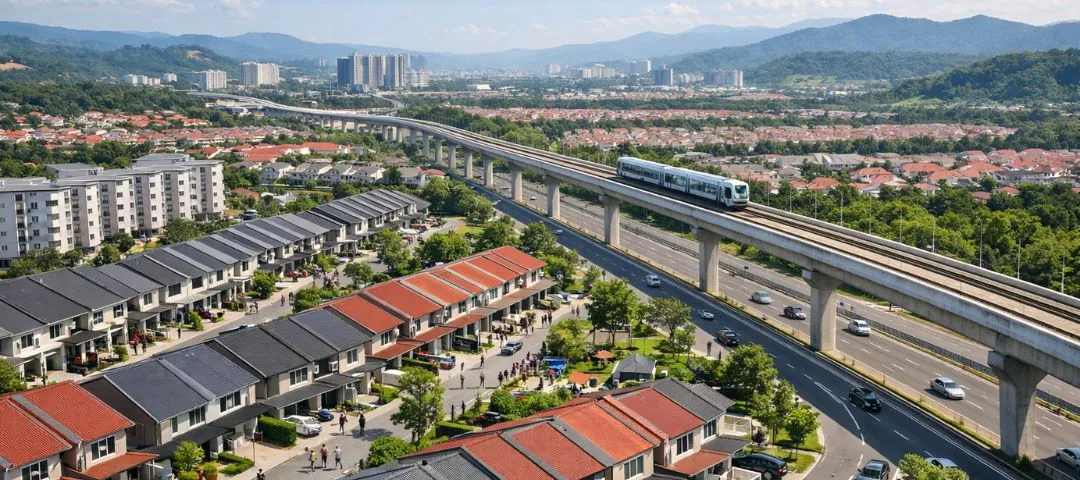
TL;DRBuying a home in the Klang Valley does not always mean paying RM1 million or more. Several suburbs, such as Semenyih, Rawang, Puncak Alam, and Salak Selatan, still offer properties priced under RM500k. These areas attract first-home buyers and investors due to lower entry prices and expanding infrastructure. Buying property in Kuala Lumpur often feels like chasing a moving train. According to The Edge and Savills, Prices in prime areas such as Bangsar or KLCC easily exceed RM900,000 and can reach RM1.4 million for typical homes, making them out of reach for many buyers. The good news is that affordable suburbs still exist across Klang Valley, especially in emerging townships around Selangor. If you know where to look, buying a property under RM400k–RM500k is still possible in 2026. This guide explores the top 10 cheapest neighbourhoods in Klang Valley, along with property prices, advantages, and growth potential. Key Takeaways Semenyih, Rawang, and Puncak Alam remain among the cheapest areas to buy property in Klang Valley. Entry-level homes in many suburbs still fall within the RM300k–RM500k price range. Affordable areas often sit slightly outside Kuala Lumpur but benefit from new highways, MRT lines, and urban expansion. These suburbs attract first-home buyers, young professionals, and property investors seeking lower entry prices. Know The Price Before Buying a House in These Areas!1. What Are the Cheapest Neighbourhoods in Klang Valley in 2026?2. What Are the Top 10 Cheapest Neighbourhoods in Klang Valley?3. Why Are Some Klang Valley Suburbs Cheaper Than Others?4. Is It Still Possible to Buy a House Under RM500k in Klang Valley?5. What Role Do PR1MA Homes Play in Affordable Housing?6. Are Cheap Klang Valley Suburbs Good for Property Investment?7. Frequently Asked Questions 1. What Are the Cheapest Neighbourhoods in Klang Valley in 2026? Below is a quick overview of the most affordable suburbs in Greater Kuala Lumpur based on transaction trends and property listings. AreaEstimated Price RangeKey AdvantageSemenyihRM350k – RM820kRapid township developmentRawangRM280k – RM779kLarge supply of affordable homesPuncak AlamRM270k to RM500kQuiet suburban livingCheras SouthRM300k – RM688kClose to MRTSetapakRM300k – RM650kNear city centreKepongRM300k – RM750kMRT2 connectivitySalak SelatanRM200k – RM498kRail accessKajangRM289k – RM580kGrowing infrastructureSungai BesiRM281k – RM1.5mStrategic KL locationKlang outskirtsRM343k – RM630kAffordable family homes These areas frequently appear in property market analyses and affordability studies. 2. What Are the Top 10 Cheapest Neighbourhoods in Klang Valley? a. Semenyih Semenyih has become one of the most popular affordable property markets in Selangor. Price rangeMedian property priceRM per square footRM350,000 – RM820,000RM600,000RM357Source: BRICKZ (2025 Mar - 2026 Jan) Transaction data shows a median property price of around RM600,000 and RM357 per square foot. Why buyers choose Semenyih: Large township developments such as EcoHill Proximity to Kajang and the MRT Kajang Line Growing education hubs and universities ExampleLet’s say Ahmad wants his first home with a RM400k budget. In Semenyih, he may find a two-storey terrace house with a built-up area of 1,200–1,500 sq ft. However, commuting to central KL can take 45–60 minutes during peak hours. For buyers seeking affordable homes in expanding townships, Semenyih remains a strong entry-level market. If you want help comparing property opportunities in this area, IQI Global provides data-driven insights and local expertise to guide buyers through Klang Valley’s affordable housing markets. b. Rawang Another cheap neighbourhood in the Klang Valley is Rawang. Price rangeMedian property priceRM per square footRM280,000 to RM779,800RM450,000RM320Source: BRICKZ (2025 Mar - 2026 Jan) Recent transaction records show a median price of around RM450,000 and RM320 per square foot. Why Rawang attracts buyers: Large supply of landed homes New highways are improving connectivity More space compared to central KL ExampleA young couple could buy a single-storey terrace house for RM360k–RM420k, which is often impossible in Kuala Lumpur. The main trade-off is distance from city centres. Still, Rawang continues attracting buyers who prioritise affordability over proximity. c. Puncak Alam Puncak Alam is well known for affordable landed homes. Price rangeMedian property priceRM per square footRM270,000 to RM500,000RM420,000RM282Source: BRICKZ (2025 Jan - 2025 Dec) Key reasons it remains affordable: Located further from central Kuala Lumpur Newer townships with abundant land supply Gradual infrastructure growth This area suits families seeking peaceful suburban living at lower prices. d. Cheras South Despite being relatively close to Kuala Lumpur, Cheras South still offers affordable property options. Price rangeMedian property priceRM per square footRM300,000 and RM688,000RM488,000RM376Source: BRICKZ (2025 Mar - 2026 Jan) Advantages include: MRT connectivity Mature neighbourhood amenities Hospitals and shopping malls nearby This area appeals to young professionals working in the city. e. Setapak Setapak is one of the closest cheap areas to central Kuala Lumpur. Price rangeMedian property priceRM per square footRM300,000 to RM650,000RM450,000RM384Source: BRICKZ (2025 Mar - 2026 Jan) Why buyers consider Setapak: Near TAR UMT university LRT access Strong rental demand Many investors target this area due to its student rental market. f. Kepong Kepong has become more attractive after the opening of MRT2. Price rangeMedian property priceRM per square footRM300,000 and RM750,000RM536,500RM425Source: BRICKZ (2025 Mar - 2026 Jan) Advantages: Established neighbourhood MRT connectivity Good food and lifestyle amenities However, newer developments may push prices higher over time. g. Salak Selatan This neighbourhood offers surprisingly affordable homes near Kuala Lumpur city centre. Price rangeMedian property priceRM per square footRM200,000 to RM498,000RM300,000RM335Source: BRICKZ (2024 Dec - 2025 Nov) Key advantages: KTM, LRT, and ERL connections Strategic location near KL Sentral Established residential area Many first-time homebuyers consider Salak Selatan because it offers city access alongside relatively affordable property prices. h. Kajang Kajang is another affordable suburb with strong growth potential. Price rangeMedian property priceRM per square footRM289,000 to RM580,000RM400,000RM327Source: BRICKZ (2025 Mar - 2026 Jan) Reasons for popularity: MRT Kajang Line Educational hubs Large residential developments Kajang also benefits from urban expansion from Kuala Lumpur. i. Sungai Besi Although closer to Kuala Lumpur, some properties in Sungai Besi remain relatively affordable. Price rangeMedian property priceRM per square footRM281,000 to RM1,510,000RM600,000RM541Source: BRICKZ (2025 Jan- 2025 Dec) Advantages: Strategic location Upcoming developments Access to highways and rail networks This area may offer long-term appreciation potential. j. Klang Outskirts Areas on the outskirts of Klang remain among the cheapest in Klang Valley. Price rangeMedian property priceRM per square footRM343,000 to RM630,000RM450,000RM324Source: BRICKZ (2025 Mar- 2026 Jan) Benefits: Affordable landed homes Family-friendly communities Growing township developments However, commuting to Kuala Lumpur can take 60–90 minutes during peak traffic. 3. Why Are Some Klang Valley Suburbs Cheaper Than Others? Property affordability in the Klang Valley depends on several factors. a. Distance from Kuala Lumpur Areas farther from KL typically have lower land prices. b. Infrastructure Development New highways and MRT lines can increase property values. c. Supply of Housing Townships with large land banks can build more affordable homes. d. Employment Centres Areas near major job hubs tend to command higher prices. According to Malaysia’s National Property Information Centre (NAPIC), the average Malaysian house price is around RM494,384, but in prime urban areas it can exceed RM900,000. 4. Is It Still Possible to Buy a House Under RM500k in Klang Valley? Yes, but location is key. Below is a simplified price comparison. Property BudgetPossible AreasUnder RM300kRawang, Puncak Alam, Salak Selatan, KajangRM300k – RM400kSemenyih, Cheras South, SetapakRM400k – RM500kKepong, Klang outskirtsRM500k – RM600kSungai Besi For example: If Sarah has an RM450k budget, she might find: A terrace house in Rawang A condo in Setapak An apartment in Cheras South The choice depends on commuting preferences and lifestyle needs. 5. What Role Do PR1MA Homes Play in Affordable Housing? The PR1MA housing scheme is designed to help middle-income Malaysians buy affordable homes. Key facts: Price range: RM100,000 – RM400,000 Target group: Malaysian households earning RM2,500 – RM15,000 monthly Property types: apartments, terrace houses, townhouses Many PR1MA developments in areas such as Serdang, Bukit Jalil, and Alam Damai offer facilities similar to condominiums but at lower prices. For first-time buyers struggling with rising property prices, PR1MA projects provide an accessible entry point into the property market. 6. Are Cheap Klang Valley Suburbs Good for Property Investment? Affordable suburbs can sometimes deliver better long-term growth than expensive areas. Why? Lower entry price Growing population Infrastructure expansion ExampleWhen a new MRT line opens, property prices nearby often increase. This pattern explains why investors closely monitor suburbs such as Semenyih, Rawang, and Kajang. If you want to identify emerging affordable-property hotspots, IQI Global combines data analytics, property insights, and its global agent network to help investors evaluate opportunities across the Klang Valley and beyond. Affordable homes in Klang Valley still exist, but they require strategic location choices. Suburbs such as Semenyih, Rawang, Puncak Alam, and Setapak continue attracting first-home buyers thanks to lower prices and expanding infrastructure. While these areas may be slightly farther from Kuala Lumpur, they provide realistic entry points into the property market. With careful research and the right guidance, buyers can still find value in the evolving Klang Valley housing landscape. 7. Frequently Asked Questions a. What are the cheapest neighbourhoods in Klang Valley? Some of the cheapest areas include Semenyih, Rawang, Puncak Alam, Setapak, and the Klang outskirts. b. Can you still buy a house under RM500k in Klang Valley? Yes. Several suburbs offer properties between RM300k and RM500k, particularly in Selangor townships. c. Which cheap Klang Valley suburbs are good for first-home buyers? Semenyih, Kajang, and Rawang are popular with first-time buyers due to affordable prices and new township developments. d. Are affordable suburbs far from Kuala Lumpur? Many are located 30–60 minutes from KL, but new highways and MRT lines are improving connectivity. e. What property types are cheapest in Klang Valley? Budget apartments, older condominiums, and terrace houses in suburban areas are usually the most affordable. f. Are cheap suburbs good for property investment? Yes. Lower entry prices can generate better rental yields and long-term capital appreciation. g. Why do people move to suburbs like Semenyih or Rawang? Buyers move there mainly because homes are significantly cheaper compared to central Kuala Lumpur. Explore affordable property opportunities with IQI Global, a PropTech-driven real estate company operating in 35+ countries. Connect with our experts to discover the best investment or homebuying options today. [custom_blog_form] Continue Reading: An Insight into Real Property Gains Tax (RPGT) in Malaysia: 2026 Updates 5 Best Place in Melaka for Airbnb Investment: Top Areas to Buy Property Why Melaka Is the Best Place for an Affordable House? Reference Bambooroutes. (2026, January 26). What are the best areas for real estate in Malaysia? (2026). Retrieved fromhttps://bambooroutes.com/blogs/news/malaysia-which-area CT Properties. (2025, May 19). Top 5 affordable areas to buy a home in Klang Valley (2025 update). Retrieved fromhttps://www.ctproperties.com.my/top-5-affordable-areas-to-buy-a-home-in-klang-valley-2025-update/ Fezili, F. (n.d.). Top 10 best areas in Kuala Lumpur for rental yield 2026. Property Genie. Retrieved fromhttps://www.propertygenie.com.my/insider-guide/top-10-areas-in-kuala-lumpur-for-rental-yield-2026-NjjUkLPJzYjTXYA3N825e7 Koh, S. (2026, February 11). Living as a KL expat Malaysia in 2026: The complete guide to neighbourhoods, rental options, and daily life. iProperty. Retrieved fromhttps://www.iproperty.com.my/guides/expat-guides-best-rental-properties-in-kl-and-selangor-2022-82839 Surelah. (2025, December 7). Best family-friendly townships in KL & Selangor (Guide 2026). Retrieved fromhttps://surelah.com/best-family-friendly-townships-in-kl-selangor/ Tang, R. (2025, October 2). Cheapest areas to live in Klang Valley & PR1MA homes you can afford (2025 guide). MET Property. Retrieved fromhttps://www.metproperty.com/property-guides/cheapest-areas-to-live-in-klang-valley-pr1ma-homes-you-can-afford-2025-guide/
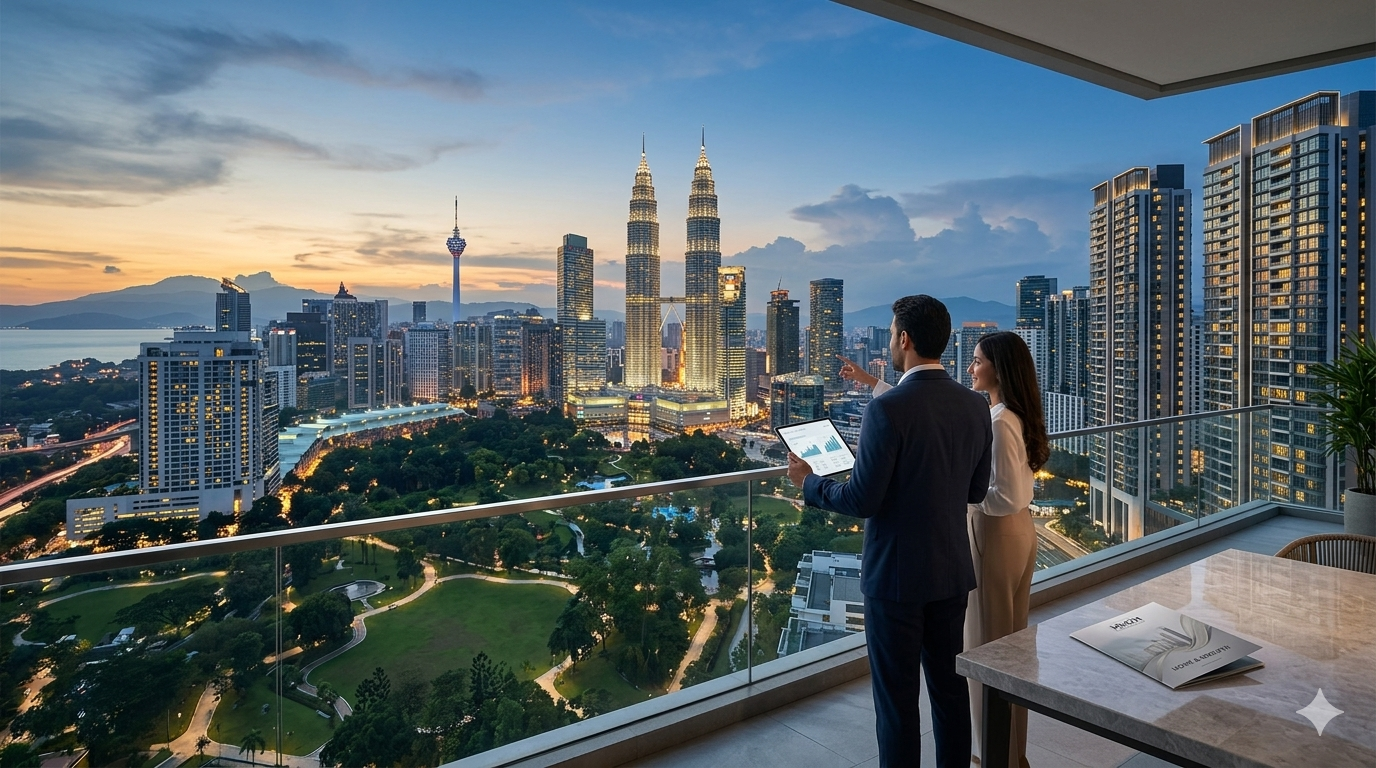
With conflict reshaping the Middle East and Gulf cities under fire for the first time, a growing wave of professionals, retirees, and families are exploring Malaysia’s MM2H programme as a pathway to residency, safety, and property investment. Here’s what international investors need to know. TL;DRThe 2026 Iran war has turned Gulf capitals into conflict zones for the first time, triggering a wave of capital relocation. Malaysia, with its geopolitical neutrality, Muslim-majority population, and world-class Islamic finance ecosystem, is emerging as a top destination. Its MM2H residency programme, which now requires property investment, is the vehicle connecting foreign capital to Malaysian real estate. Enquiries from Saudi Arabia, the UAE, Kuwait, Bahrain, and Qatar are already rising. Why Malaysia Is a Safe Haven for Property Investors in 2026The Middle East Crisis and the Rise of MM2H: How Conflict Moves CapitalNeutral Ground: What Makes Malaysia the Right Destination for MM2H ApplicantsWhy Malaysia? Six Reasons It Stands OutFrom MM2H Visa to Property Keys: How Residency Becomes InvestmentThe Investment CaseConnecting the DotsFAQs The Middle East Crisis and the Rise of MM2H: How Conflict Moves Capital When geopolitical tensions escalate, capital moves. On 28 February 2026, coordinated US-Israeli airstrikes on Iran triggered a full-scale regional war. Iran retaliated with missile and drone barrages against Israel, US military bases, and allied nations across the Persian Gulf. For the first time, Gulf capital cities came under direct fire. Residential areas in Bahrain’s Manama, airports in Abu Dhabi, oil fields in Kuwait and Saudi Arabia, and even Qatar and Oman were hit. The economic fallout has been just as disruptive. Oil surged toward US$120 per barrel. Qatar and Kuwait declared force majeure on energy contracts. The Strait of Hormuz, which carries roughly 20% of global oil supply, has been effectively disrupted. The UN Security Council adopted Resolution 2817, condemning the attacks and demanding cessation. The pattern is familiar. The Russian capital moved to Dubai and Southeast Asia after the Ukraine invasion. Chinese investors diversified into Australia and Malaysia as their domestic market slowed. Now the same dynamic is emerging from the Gulf, and a growing number of professionals, retirees, and families are asking: Where is safe now? For many, the answer is Malaysia. Neutral Ground: What Makes Malaysia the Right Destination for MM2H Applicants Malaysia is increasingly viewed as a geopolitically neutral country, and that perception is now translating into real enquiries. Anthony Liew, president of Malaysia’s MM2H Consultants Association, confirmed in a report published by The Star on 16 March 2026 that interest from Gulf citizens is rising. The enquiries are coming from Saudi Arabia, the UAE, Kuwait, Bahrain, and Qatar. What the Industry Is Saying According to Liew, the potential applicants are predominantly working professionals, retirees, and parents seeking educational opportunities for their children. Applications have not yet surged as prospective applicants are still verifying documents, but the direction of travel is unmistakable. The enquiry pipeline is building. Juwai IQI co-founder and Group CEO Kashif Ansari confirmed this shift. Malaysia, he said, is a natural destination for those in the Middle East, given its safe haven status and distance from the conflict. He noted that there is already evidence of Middle Eastern buyers turning their attention to Malaysia, and that outside the Middle East, it is rare to find attractive, multilingual markets that also offer halal food and access to Islamic finance In the same report by The Star, Sunway University economics professor Dr Yeah Kim Leng noted that Malaysia has long had a small but growing Middle Eastern expatriate community. He said this gives the country a comparative advantage over Thailand and Singapore in attracting this demographic, particularly if regional turbulence persists. Source: The Star, More Middle East interest in MM2H Why Malaysia? Six Reasons It Stands Out Malaysia’s appeal is not based on a single factor. It is the combination that makes it stand out for Gulf citizens specifically: 1. Geopolitical Neutrality Malaysia hosts no foreign military bases and has maintained diplomatic neutrality in the US-Iran and Israel-Palestine conflicts. For Gulf nationals whose cities were struck because of their proximity to US installations, this is not a theoretical benefit. It is a direct safety factor. 2. Muslim-Majority Country with Cultural Familiarity Malaysia is one of the few economically developed, politically stable nations where Gulf nationals can find a genuinely familiar environment. Halal food is universally available, Islamic schools operate alongside international curricula, and daily life reflects Islamic values. This makes the transition far smoother than relocating to Western alternatives. 3. World-Class Islamic Finance Infrastructure Malaysia is a global hub for Shariah-compliant banking, takaful (Islamic insurance), and Islamic real estate investment trusts (REITs). Gulf investors can structure property acquisitions, mortgages, and savings entirely within a Shariah-compliant framework, which very few relocation destinations can offer. The global Shariah-compliant real estate market is valued at approximately US$12.5 billion, with Malaysia ranking second only to Saudi Arabia in fund assets. This existing infrastructure makes the country uniquely positioned to absorb a wave of Gulf capital seeking both safety and compliance. 4. Competitive Property Prices and Healthy Yields Property in Kuala Lumpur’s prime areas ranges from approximately €3,000 to €5,000 per square metre, with rental yields of 4.5% to 6%. Compared to Dubai or Singapore, Malaysia offers significantly more value per dollar. The Malaysian ringgit remains favourable against the US dollar and Gulf currencies, adding an extra layer of purchasing power for foreign buyers entering the market now. 5. Established Middle Eastern Expat Community According to The Star’s report, Malaysia already has a small but growing expatriate community from the Middle East. This existing community provides a social and cultural foundation for newcomers, from Arabic-speaking neighbourhoods to established business networks. It is a practical advantage that competing destinations like Thailand and Singapore do not yet offer at the same scale. 6. Government Backing and Visit Malaysia 2026 The Ministry of Tourism, Arts and Culture has identified the Middle East as a priority tourism market for 2026. The MM2H programme alone has generated RM3.87 billion (approximately US$870 million) for the national economy as of last year, and the government is actively promoting the country to Gulf audiences through Visit Malaysia 2026. From MM2H Visa to Property Keys: How Residency Becomes Investment The Malaysia My Second Home programme is what transforms interest in Malaysia into actual property investment. It is the mechanism that connects residency with real estate, and it is increasingly well-suited to what Gulf investors are looking for. What Is MM2H? MM2H is a government-backed long-term residency initiative offering foreign nationals a renewable social visit pass of 5 to 20 years. Launched in 2002 and significantly reformed over the past two years, it now operates under a clear tiered framework with four categories: Platinum, Gold, Silver, and Special Economic Zone (SEZ). Key benefits include: Tax exemption on foreign-sourced income remitted to Malaysia; Tax-free interest on the mandatory fixed deposit; Inclusion of family members (spouse, children under 34, dependent parents); Multi-entry travel privileges; and access to Malaysia’s healthcare and education systems. All applications must go through licensed MM2H agents and are processed by the One Stop Centre under MOTAC (Ministry of Tourism, Arts and Culture). Applicants need comprehensive medical insurance with a minimum coverage of RM80,000 and must pass a medical fitness check. MM2H Tiers at a Glance TierVisa DurationFixed DepositProperty RequiredPlatinum20 yearsHighest thresholdYes (mandatory)Gold15 yearsMid-range thresholdYes (mandatory)Silver5 yearsLowest mainlandYes (mandatory)SEZ / SFZ5 yearsLowest overallDesignated zones only Note: Platinum holders can work, run businesses, and serve as company directors. Participants under 50 must spend 90 cumulative days per year in Malaysia (shareable with dependents). Those 50+ have no minimum stay requirement. How MM2H Connects to Property This is the critical link. Under the current framework, all mainland MM2H tiers require a compulsory property purchase. This transforms the programme from a simple residency visa into a residency-plus-investment pathway, making MM2H especially relevant to investors, not just retirees or lifestyle migrants. How it works: each state sets its own minimum property value. In Kuala Lumpur, the threshold for foreign buyers is RM1 million (approximately US$225,000). In prime Selangor zones, it can reach RM2 million. States like Penang, Johor, and Melaka offer lower entry points. The property must be purchased within approximately one year of visa approval and held for a minimum of 10 years. The fixed deposit bridge: participants can withdraw up to 50% of their mandatory fixed deposit to fund property purchases, education, or medical expenses. This creates a direct financial mechanism linking the programme’s residency requirements to real estate investment. For Gulf investors, the Shariah-compliant angle matters. Malaysian banks offer Islamic home financing products, including murabaha and diminishing musharakah structures, that comply fully with Shariah principles. This means Gulf nationals can finance their MM2H property purchases without compromising their financial values, using familiar instruments within one of the world’s most developed Islamic banking ecosystems. The Investment Case For Gulf investors comparing Malaysia to other destinations, the numbers are worth examining. Malaysia’s GDP growth is forecast at 4.0 to 4.5% for 2026, with inflation contained at 1.3 to 2.0%. The Overnight Policy Rate has held at 2.75% since May 2023, translating to effective mortgage rates of 3.95 to 4.50%. Combined with rental yields of 4.5 to 6% in prime KL areas, this creates a stable, income-generating investment environment. Dr Yeah Kim Leng projected that large property developers may begin offering customised housing projects if Gulf emigration to Malaysia gains momentum. This could open a new market segment tailored to Middle Eastern preferences, and for early movers, it represents a window before demand fully materialises. What Investors Should Watch While the opportunity is real, international investors should go in with eyes open: Stamp duty for foreign buyers. Malaysia’s Budget 2026 introduced a flat stamp duty rate of 4 to 8% for foreign purchasers of residential property. This adds to upfront costs but signals the government’s preference for genuine, long-term investment over speculation, which ultimately protects asset values. Processing timeline. Applications typically take 2 to 3 months, and all submissions must go through licensed agents. For Gulf applicants, document verification may add extra time given current disruptions to regional government services. Global competition. Economist Geoffrey Williams cautioned that the MM2H programme may appear less competitive compared to some other global visa schemes in the short term, and that Malaysia needs to offer benefits beyond the residence visa to truly stand out. However, he acknowledged that in the long term, Malaysia will remain attractive to those from conflict zones. State-level variation. Property minimum thresholds, foreign ownership rules, and available housing stock vary significantly by state. Kuala Lumpur and Penang offer the most developed expat ecosystems, while Johor provides the most affordable entry point, particularly through the Forest City SEZ pathway. Working with experienced local advisors is essential to match your budget and lifestyle preferences to the right location. Connecting the Dots The three-part logic is straightforward: Conflict creates capital movement. The 2026 Iran war has shattered the Gulf’s image as an insulated safe haven. Citizens of Saudi Arabia, the UAE, Kuwait, Bahrain, and Qatar are actively seeking to relocate wealth and secure second residencies in stable countries. Malaysia is uniquely positioned to receive that capital. Its combination of geopolitical neutrality, cultural and religious familiarity, world-class Islamic finance infrastructure, and competitive cost of living is unmatched by any other destination in the region. MM2H is the mechanism that turns residency into investment. The programme’s compulsory property purchase requirement creates a direct pipeline from foreign residency applications to Malaysian real estate, benefiting both the investor and the national economy. Anthony Liew’s advice to the government is simple: spread awareness about Malaysia and MM2H directly to Gulf audiences. The demand signal is already there. The gap is information and process, not interest. For international property investors, whether from the Gulf or elsewhere, the convergence of a geopolitical crisis, a reformed residency programme, and a stable property market with healthy yields creates a moment worth paying attention to. The safe haven trade has reached Malaysian shores. MM2H is how it will flow into property. Disclaimer: This article is for informational purposes only and does not constitute financial, legal, or immigration advice. Prospective MM2H applicants should consult licensed MM2H agents and qualified professionals before making decisions. Programme requirements and regulations are subject to change. FAQs What is MM2H and who is it for? MM2H (Malaysia My Second Home) is a government-backed long-term residency programme that allows foreign nationals to live in Malaysia on a renewable visa of 5 to 20 years. It is designed for retirees, working professionals, investors, and families seeking a stable second home in Southeast Asia. Can citizens from Gulf countries (Saudi Arabia, UAE, Kuwait, Bahrain, Qatar) apply for MM2H? Yes. The MM2H programme is open to citizens of all countries that have diplomatic relations with Malaysia. There are no restrictions based on nationality, religion, or ethnicity. Is it mandatory to buy property under MM2H? Yes. Under the current 2026 framework, all mainland MM2H tiers (Platinum, Gold, Silver, and SEZ) require participants to purchase a qualifying property within approximately one year of visa approval. The property must be held for a minimum of 10 years. What is the minimum property price for MM2H participants? It depends on the state. In Kuala Lumpur, the minimum for foreign buyers is RM1 million (approximately US$225,000). In prime Selangor zones, it can reach RM2 million. States like Johor, Penang, and Melaka may offer lower thresholds. The Forest City SEZ pathway in Johor has the lowest entry point. Is Islamic financing available for MM2H property purchases? Yes. Malaysia is one of the world’s leading Islamic finance hubs. Malaysian banks offer Shariah-compliant home financing products, including murabaha and diminishing musharakah structures, allowing Gulf investors to finance property purchases within a familiar framework. Is foreign income taxed under MM2H? No. Foreign-sourced income remitted to Malaysia by MM2H holders is not taxed. Interest earned on the mandatory fixed deposit is also tax-exempt. Do I need to live in Malaysia full-time? Participants aged under 50 must spend a cumulative 90 days per year in Malaysia. This can be shared among dependents. Participants aged 50 and above have no minimum stay requirement. Ready to Explore MM2H and Malaysian Property? Speak with IQI’s advisory team for a personalised MM2H eligibility assessment and property consultation. Available in English, Arabic, Mandarin, and Bahasa Malaysia. [custom_blog_form] Continue reading: The Malaysia My Second Home Programme (MM2H): A Comprehensive Guide What Is Foreign Home Ownership Rules in Malaysia? Malaysia’s 2026 Outlook: Roadmap for Economic and Property Stability Reformed MM2H Programme Drives Nearly RM1 Billion Annual Investments Sources: "More Middle East interest in MM2H,” The Star, 16 March 2026, by Tarrence Tan & Gerard Gimino; MOTAC ACLED Bloomberg Al Jazeera UN Security Council IFN Investor MM2H official guidelines
Ready to get started?
Get in touch now.